

Fear is a powerful emotion, and language becomes far more vivid when we describe fear creatively. That’s where similes for scary things come in.
Introduction
A simile is a figure of speech that compares two different things using words like “as” or “like.” Writers use similes to make ideas clearer, more emotional, and easier to imagine. Instead of simply saying something is scary, a simile helps the reader feel that fear.
Similes are commonly used in:
- Creative writing and storytelling
- Horror and thriller scenes
- Daily conversations and texting
- Poetry, blogs, and social media captions
Below are powerful similes for scary things, each explained clearly with tone, best usage, and real-life example sentences to help you use them naturally.
Like a Shadow That Follows You
Meaning: Describes fear that is constant and inescapable.
Tone: Creepy, unsettling
Best Usage: Psychological fear, suspense scenes
Examples:
- The memory haunted him like a shadow that follows you.
- Fear trailed her steps like a shadow that follows you at night.
- His guilt lingered like a shadow that follows you, silent but heavy.
Daily-use idea: “That exam stress is following me like a shadow.”
As Scary as a Nightmare You Can’t Wake From
Meaning: Deep, lingering fear that feels real
Tone: Intense, emotional
Best Usage: Trauma, horror descriptions
Examples:
- The accident felt as scary as a nightmare you can’t wake from.
- Her thoughts spiraled like a nightmare that wouldn’t end.
- The silence was as scary as a nightmare you can’t escape.
Like a Monster Lurking in the Dark
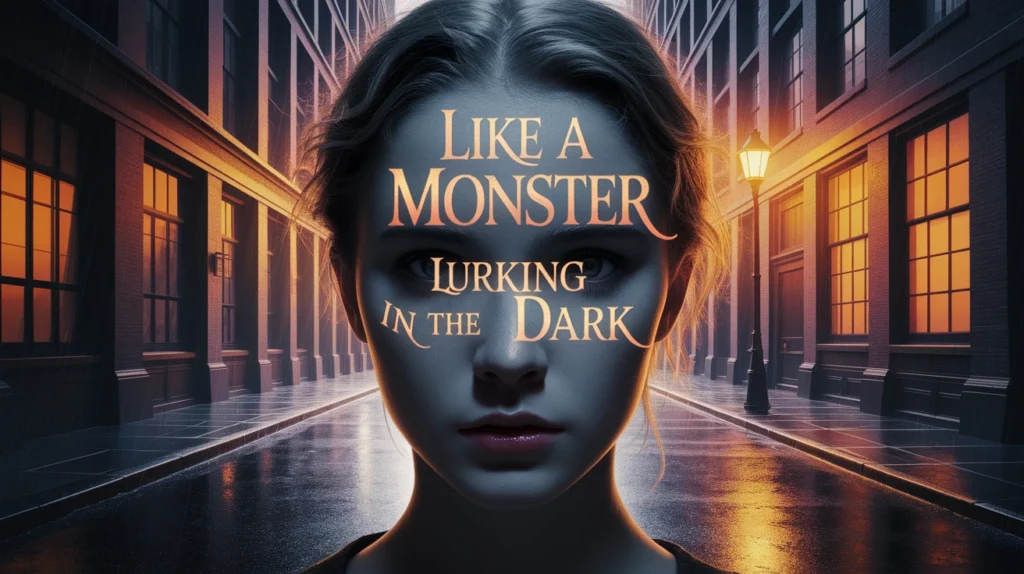
Meaning: Fear of the unknown
Tone: Suspenseful, ominous
Best Usage: Horror writing, suspense scenes
Examples:
- Fear waited like a monster lurking in the dark.
- His doubts crept closer like a monster lurking in the dark.
- The sound echoed like a monster hiding just out of sight.
Texting example: “That noise outside sounds like a monster lurking nearby.”
As Terrifying as a Sudden Scream in Silence
Meaning: Shock-driven fear
Tone: Sharp, alarming
Best Usage: Jump scares, dramatic moments
Examples:
- The bang was as terrifying as a sudden scream in silence.
- His words hit her like a scream in the quiet.
- The alarm felt as terrifying as breaking silence with fear.
Like Ice Sliding Down Your Spine
Meaning: A physical reaction to fear
Tone: Chilling, vivid
Best Usage: Emotional or sensory writing
Examples:
- Fear ran like ice sliding down her spine.
- His whisper sent chills like ice down my spine.
- The thought crept in like ice sliding slowly downward.
As Scary as Being Watched

Meaning: Paranoia or unseen fear
Tone: Psychological, tense
Best Usage: Thriller or suspense scenes
Examples:
- The empty room felt as scary as being watched.
- She moved carefully, like someone was watching her.
- The silence grew as scary as unseen eyes.
Like a Door Creaking Open at Midnight
Meaning: Slow-building fear
Tone: Creepy, atmospheric
Best Usage: Horror descriptions
Examples:
- Fear entered like a door creaking open at midnight.
- His realization came like a door opening slowly.
- The sound echoed like midnight footsteps.
As Frightening as a Sudden Power Cut
Meaning: Unexpected fear
Tone: Realistic, relatable
Best Usage: Modern storytelling
Examples:
- The lights went out as frightening as a sudden power cut.
- His confidence vanished like lights going dark.
- The moment hit as frightening as instant darkness.
Like a Storm You Can’t Escape
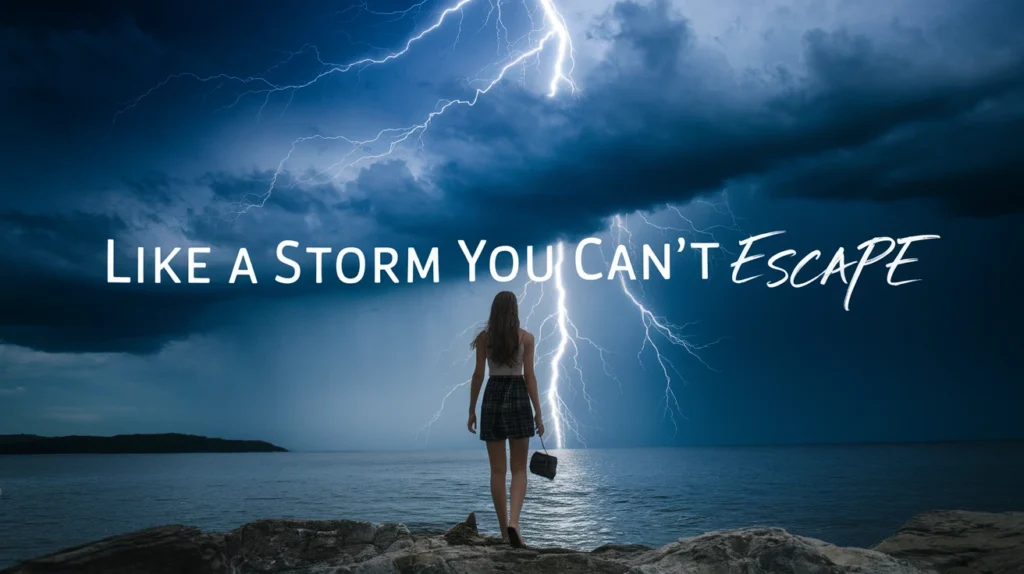
Meaning: Overwhelming fear
Tone: Heavy, dramatic
Best Usage: Emotional or action scenes
Examples:
- Panic crashed like a storm you can’t escape.
- Fear surrounded him like a never-ending storm.
- Her thoughts roared like thunder in her mind.
As Scary as Footsteps Behind You
Meaning: Immediate danger
Tone: Tense, suspenseful
Best Usage: Chase or fear scenes
Examples:
- The sound felt as scary as footsteps behind you.
- He froze, hearing footsteps that weren’t his own.
- Fear rose like someone following too closely.
Like a Ghost in an Empty Hallway
Meaning: Silent, eerie fear
Tone: Haunting
Best Usage: Paranormal writing
Examples:
- The memory drifted like a ghost in an empty hallway.
- Fear floated like unseen footsteps.
- The house felt alive like a ghost nearby.
As Chilling as a Cold Whisper

Meaning: Quiet, unsettling fear
Tone: Soft but creepy
Best Usage: Psychological horror
Examples:
- His words were as chilling as a cold whisper.
- Fear crept in like whispers in the dark.
- The warning sounded as chilling as breath on skin.
Like Standing on the Edge of a Cliff
Meaning: Fear mixed with danger
Tone: Dramatic, intense
Best Usage: Emotional tension
Examples:
- He felt like standing on the edge of a cliff.
- The decision was as scary as one wrong step.
- Fear balanced like falling without warning.
As Scary as Silence After a Scream
Meaning: Aftershock fear
Tone: Heavy, suspenseful
Best Usage: Horror endings
Examples:
- The quiet was as scary as silence after a scream.
- Fear lingered like echoing silence.
- The moment froze after terror faded.
Like a Dark Tunnel With No Exit
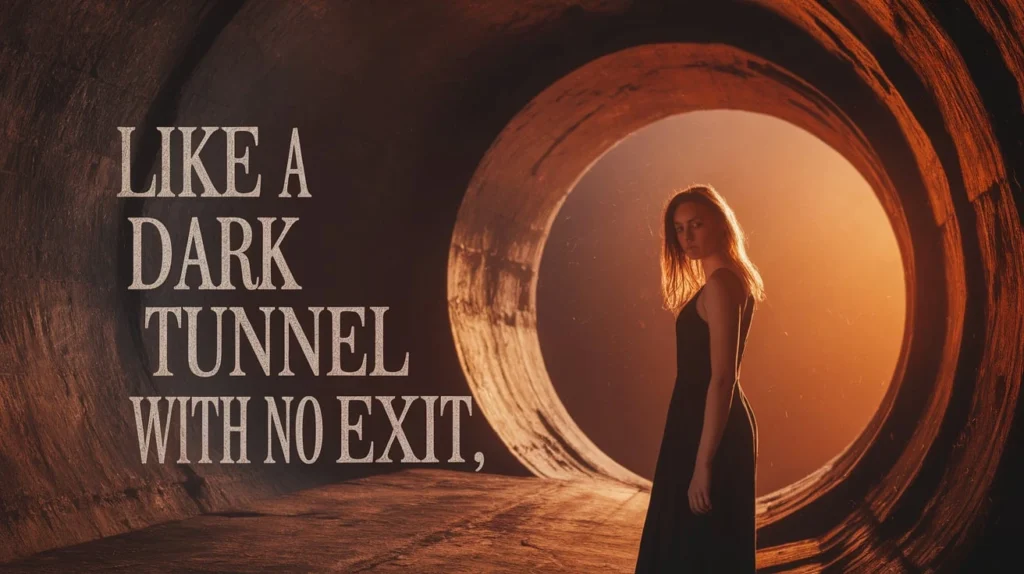
Meaning: Hopeless fear
Tone: Emotional, heavy
Best Usage: Mental health or drama writing
Examples:
- His fear felt like a dark tunnel with no exit.
- Panic trapped her like endless darkness.
- The situation closed in without a way out.
Daily-use sentence: “That situation feels like a tunnel with no exit.”
Conclusion
Using similes for scary things transforms simple fear into something vivid, emotional, and unforgettable. Similes help readers imagine, feel, and connect with the experience rather than just reading about it.
Whether you’re writing stories, captions, essays, or everyday messages, strong similes:
- Add emotional depth
- Improve creativity
- Make writing more memorable.