

Similes are a powerful part of figurative language. They compare one thing to another using words like “as” or “like” to help readers visualize ideas more clearly. Writers use similes to make descriptions vivid, emotional, and memorable—especially when describing people and their features.
When it comes to facial description, the nose often plays a key role in character portrayal, humor, poetry, and everyday storytelling. This guide explores similes for your nose that are expressive, creative, and easy to use in daily writing, texts, poems, and stories.
Below, you’ll find 15 carefully explained similes, each with meanings, tones, usage contexts, and real-life example sentences to help you use them naturally.
Nose Like a Button
Meaning: Small, cute, and rounded nose
Tone: Positive, affectionate
Best used in: Romantic writing, character descriptions, compliments
Examples:
- Her nose was like a button, perfectly centered on her face.
- The baby’s nose looked like a tiny button, soft and adorable.
- He smiled, and his button-like nose crinkled cutely.
Texting use:
- “Your nose is seriously like a button—so cute 😄”
Nose Like a Beak
Meaning: Long or pointed nose
Tone: Neutral to slightly humorous
Best used in: Fiction, vivid character sketches
Examples:
- His nose curved forward like a beak, giving him a sharp profile.
- The old man’s beak-like nose made him look wise.
- Shadows made her nose seem like a bird’s beak.
Nose Like a Mountain Peak
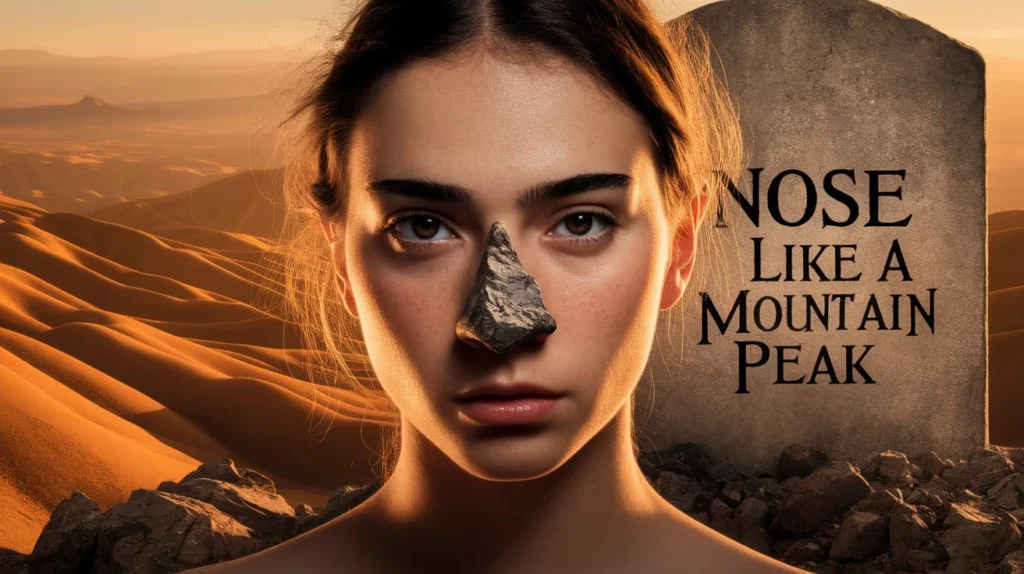
Meaning: Prominent or strong nose
Tone: Dramatic, descriptive
Best used in: Literary writing, poetry
Examples:
- His nose rose like a mountain peak, proud and bold.
- Light hit her nose like a peak catching sunrise.
- The warrior’s face was defined by a mountain-peak nose.
Nose Like a Cherry
Meaning: Small, round, often red nose
Tone: Playful, humorous
Best used in: Casual writing, winter scenes
Examples:
- After the cold walk, his nose glowed like a cherry.
- Her nose turned like a cherry in the winter air.
- He laughed at his cherry-like nose in the mirror.
Daily-use sentence:
- “My nose is like a cherry after standing in the cold!”
Nose Like a Knife Edge
Meaning: Sharp, narrow nose
Tone: Serious, intense
Best used in: Thriller or dramatic fiction
Examples:
- His nose cut the air like a knife edge.
- The detective’s knife-edge nose added to his stern look.
- Shadows sharpened her nose like a blade.
Nose Like a Rosebud

Meaning: Soft, delicate nose
Tone: Romantic, poetic
Best used in: Love poetry, gentle descriptions
Examples:
- Her nose rested like a rosebud, gentle and warm.
- The child’s nose was like a rosebud in spring.
- He traced her rosebud-like nose softly.
Nose Like a Bulb
Meaning: Rounded, noticeable nose
Tone: Humorous, casual
Best used in: Light-hearted storytelling
Examples:
- His nose sat like a bulb in the center of his face.
- The cartoon character had a bulb-like nose.
- He joked about his bulb nose freely.
Nose Like a Hawk’s
Meaning: Sharp, curved, observant look
Tone: Strong, symbolic
Best used in: Character symbolism
Examples:
- His nose curved like a hawk’s, alert and watchful.
- The leader’s hawk-like nose gave him authority.
- She studied him with her hawk nose angled forward.
Nose Like a Pebble
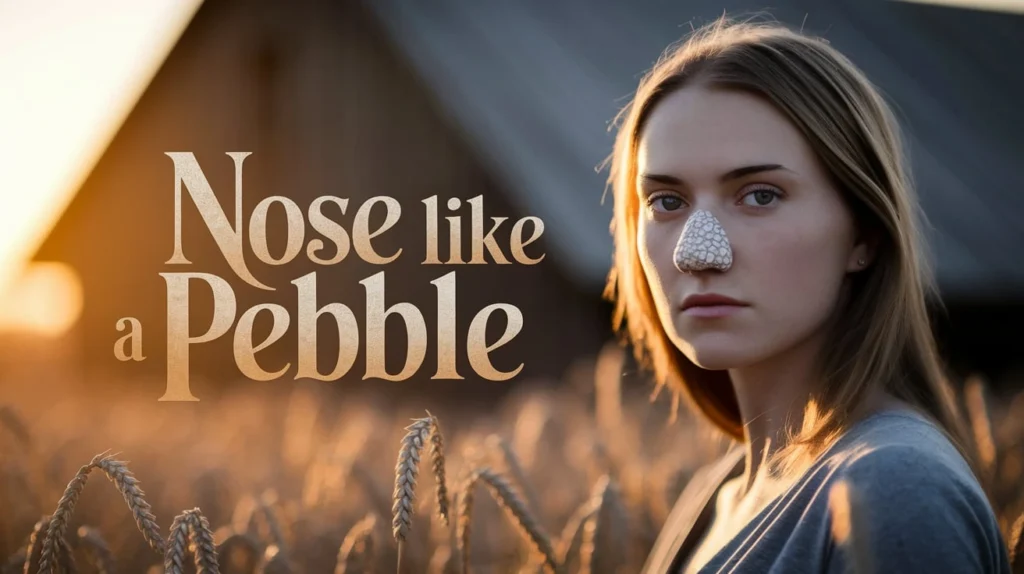
Meaning: Smooth, small nose
Tone: Soft, neutral
Best used in: Calm imagery, nature-based writing
Examples:
- Her nose felt like a pebble, smooth and cool.
- The statue’s nose was like a river pebble.
- His nose sat gently like a pebble on sand.
Nose Like a Carrot
Meaning: Long, thin nose
Tone: Playful, humorous
Best used in: Children’s stories, jokes
Examples:
- The snowman’s nose stuck out like a carrot.
- He teased his friend’s carrot-like nose.
- The cartoon showed a nose like a carrot.
Texting use:
- “Stop teasing my carrot nose 😂”
Nose Like a Marble
Meaning: Smooth, firm, well-shaped
Tone: Artistic, refined
Best used in: Sculpture or artistic descriptions
Examples:
- Her nose looked carved like marble.
- The statue’s nose shone like polished marble.
- His profile was clean, marble-like.
Nose Like a Plum

Meaning: Rounded, soft nose
Tone: Friendly, warm
Best used in: Casual descriptions
Examples:
- His nose sat like a plum, full and round.
- The cold made her nose plum-like.
- He pinched his plum nose and laughed.
Nose Like a Bridge
Meaning: Long, straight nose
Tone: Neutral, descriptive
Best used in: Facial analysis, portraits
Examples:
- His nose stretched like a bridge across his face.
- Light fell along her bridge-like nose.
- The portrait emphasized a strong bridge nose.
Nose Like a Button Mushroom
Meaning: Small and rounded nose
Tone: Cute, playful
Best used in: Informal writing
Examples:
- The child’s nose looked like a button mushroom.
- Her mushroom-like nose suited her smile.
- He joked about his tiny mushroom nose.
Nose Like a Shadowed Cliff
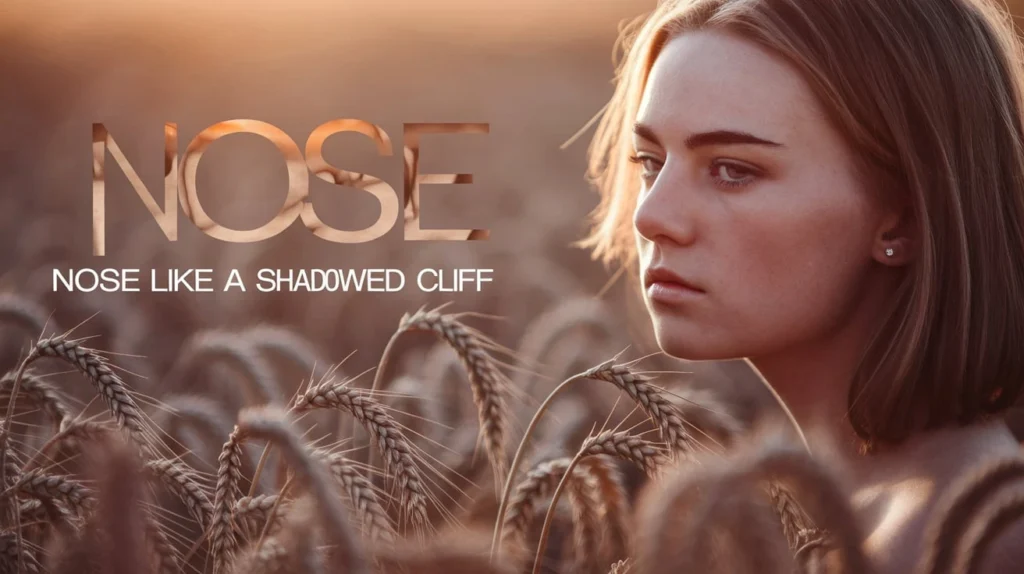
Meaning: Deep, strong facial feature
Tone: Dramatic, serious
Best used in: Dark fiction, poetry
Examples:
- His nose stood like a shadowed cliff at dusk.
- Light carved his face, nose like a cliff edge.
- The profile was bold, cliff-like and intense.
Quick Daily-Use Similes for Texting
- “My nose is like a cherry in this cold.”
- “Your nose is like a button, honestly cute.”
- “Stop calling my nose a carrot 😅”
Conclusion
Using similes for your nose transforms simple descriptions into vivid imagery. Whether you’re writing a story, crafting poetry, texting humorously, or building memorable characters, similes help readers see what you mean instead of just reading it.