
Similes are a powerful part of figurative language.Writers use similes to add color, emotion, and emphasis—especially when describing behavior, intelligence, or poor judgment.
When talking about stupidity, similes help express confusion, lack of awareness, or foolish actions without long explanations.
Used carefully, they can sound humorous, critical, or descriptive rather than harsh. Below are carefully chosen similes for stupidity, each explained clearly with tone, usage context, and real-life examples to help you use them naturally in writing, texting, or daily conversation.
As Clueless as a Headless Chicken
Meaning: Someone acting without thinking or direction.
Tone: Humorous, mildly critical.
Best usage context: Casual writing, storytelling, friendly conversations.
Examples:
- He ran around the office as clueless as a headless chicken on his first day.
- Without instructions, she looked as clueless as a headless chicken.
- The team panicked, acting like a headless chicken before the deadline.
Daily-use text example:
- “Bro, you’re running around like a headless chicken—relax!”
Like a Deer Caught in Headlights
Meaning: Frozen by confusion or lack of understanding.
Tone: Neutral to light criticism.
Best usage context: Describing sudden confusion or mental shutdown.
Examples:
- When asked a simple question, he stared like a deer caught in headlights.
- She froze like a deer in headlights during the interview.
- He looked completely lost, like a deer facing headlights.
As Empty-Headed as a Hollow Drum
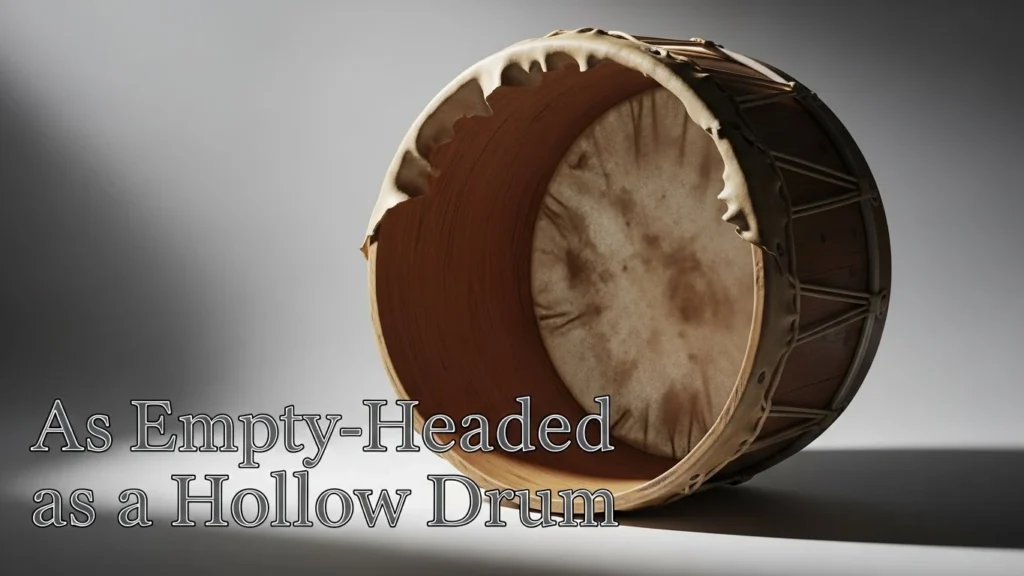
Meaning: Lacking substance or thoughtful thinking.
Tone: Critical but expressive.
Best usage context: Creative writing, descriptive narratives.
Examples:
- His excuses sounded as empty-headed as a hollow drum.
- The argument was loud but hollow, like a drum with no depth.
- She spoke confidently, yet her ideas felt hollow.
Like a Broken Compass
Meaning: Unable to think logically or make correct decisions.
Tone: Metaphorical, indirect criticism.
Best usage context: Analytical writing, metaphors in essays.
Examples:
- His reasoning was like a broken compass, pointing nowhere useful.
- Without facts, her thinking wandered like a broken compass.
- The plan felt directionless, guided by a broken compass.
As Sharp as a Marble
Meaning: Sarcastically describes low intelligence.
Tone: Sarcastic, humorous.
Best usage context: Informal speech, witty commentary.
Examples:
- He forgot his own password again—sharp as a marble.
- That decision proves he’s sharp as a marble.
- She smiled proudly, though the idea was marble-sharp.
Texting example:
- “Yeah… that move was sharp as a marble 😂”
Like Trying to Read Without Glasses

Meaning: Struggling to understand obvious things.
Tone: Relatable, mild criticism.
Best usage context: Everyday conversation, blogs.
Examples:
- Explaining math to him was like reading without glasses.
- She tried to follow the rules but missed every detail.
- His logic felt blurry, like text without glasses.
As Lost as a Sock in a Dryer
Meaning: Completely confused or unaware.
Tone: Playful and light.
Best usage context: Humor writing, friendly storytelling.
Examples:
- He looked as lost as a sock in a dryer.
- During the lecture, she was totally lost.
- The intern seemed confused but tried hard.
Like a Computer with No Internet
Meaning: Unable to process or connect ideas.
Tone: Modern, humorous.
Best usage context: Digital-age writing, social media.
Examples:
- Without context, his brain worked like a computer with no internet.
- She stared blankly, disconnected.
- The explanation never loaded in his mind.
As Bright as a Burnt-Out Bulb

Meaning: Lacking insight or intelligence.
Tone: Sarcastic.
Best usage context: Casual or creative writing.
Examples:
- That excuse proves he’s as bright as a burnt-out bulb.
- The idea flickered but never shined.
- Her logic didn’t light up the room.
Like Talking to a Brick Wall
Meaning: Someone who cannot understand or respond logically.
Tone: Frustrated, expressive.
Best usage context: Argumentative writing, dialogue.
Examples:
- Explaining facts to him felt like talking to a brick wall.
- She ignored every point made.
- The conversation went nowhere.
As Mindless as a Wind-Up Toy
Meaning: Acting without independent thought.
Tone: Observational, mildly critical.
Best usage context: Social commentary, storytelling.
Examples:
- He followed orders mindlessly like a wind-up toy.
- The routine made her robotic.
- Decisions lacked thinking.
Like a Puzzle with Missing Pieces

Meaning: Incomplete understanding.
Tone: Neutral, thoughtful.
Best usage context: Educational or reflective writing.
Examples:
- His logic felt like a puzzle with missing pieces.
- She understood parts, not the whole.
- The explanation lacked clarity.
As Slow as Thick Mud
Meaning: Very slow mental processing.
Tone: Descriptive, critical.
Best usage context: Narrative writing.
Examples:
- His response came as slow as thick mud.
- Thinking dragged painfully.
- The idea took ages to form.
Like a Map with No Labels
Meaning: Unable to make sense of information.
Tone: Creative, indirect.
Best usage context: Analogy-driven writing.
Examples:
- His understanding was like a map with no labels.
- She wandered mentally.
- Nothing connected properly.
As Confused as a Fish on a Bicycle
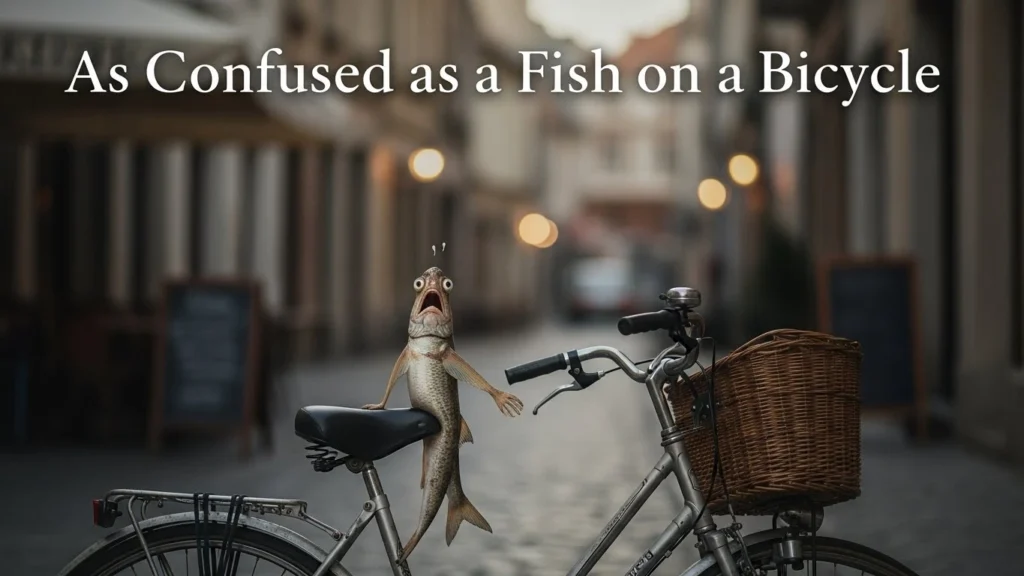
Meaning: Completely out of place mentally.
Tone: Humorous, absurd.
Best usage context: Lighthearted writing, jokes.
Examples:
- He looked as confused as a fish on a bicycle.
- The task didn’t suit her skills.
- Nothing made sense in that moment.
Why Using Similes for Stupidity Improves Writing
Using similes:
- Makes descriptions more vivid
- Reduces harsh direct language
- Adds humor, emotion, and clarity
- Improves reader engagement and memorability
They are especially useful in:
- Creative writing
- Storytelling
- Blogs and essays
- Daily conversations and texting
Final Thoughts
Similes for stupidity help writers express confusion, poor judgment, or lack of awareness in a creative and memorable way. When used thoughtfully, they add depth, tone, and personality to your language without sounding repetitive or harsh. Whether you’re writing a story, crafting dialogue, or sending a casual text, the right simile can turn a simple idea into powerful imagery.