

War is one of the most intense human experiences, and writers often struggle to describe its complexity. This is where similes for war become incredibly useful.
Introduction
A simile is a figure of speech that compares two different things using words like “as” or “like.” Similes make writing more vivid, emotional, and easier to imagine. Instead of stating facts plainly, similes help readers feel the scene.
When writing about war, conflict, or struggle, similes allow us to express fear, destruction, bravery, and chaos in a powerful yet relatable way.
They are commonly used in creative writing, poetry, essays, storytelling, speeches, and even daily conversation to make language more expressive.
War Like a Raging Storm
Meaning: This simile compares war to a violent storm, emphasizing chaos, unpredictability, and destruction.
Tone: Intense, dramatic, emotional
Best Usage Context:
- Describing battlefield chaos
- Emotional or narrative writing
- War poetry or novels
Example Sentences:
- The war spread like a raging storm, destroying everything in its path.
- Soldiers felt trapped as war crashed around them like thunder.
- The city was shaken as war roared like a stormy night.
Daily-Use / Texting Example:
- “That argument turned into war like a storm out of nowhere.”
War Like a Hungry Fire
Meaning: This simile shows war as something that consumes lives, land, and resources endlessly.
Tone: Dark, destructive, serious
Best Usage Context:
- Historical writing
- Describing long conflicts
- Symbolic storytelling
Example Sentences:
- War burned like a hungry fire, leaving ashes behind.
- Nations fell as war consumed them like flames.
- The battlefield glowed as war spread like wildfire.
Daily-Use Example:
- “Their rivalry is turning into war like fire.”
War Like a Shattered Mirror
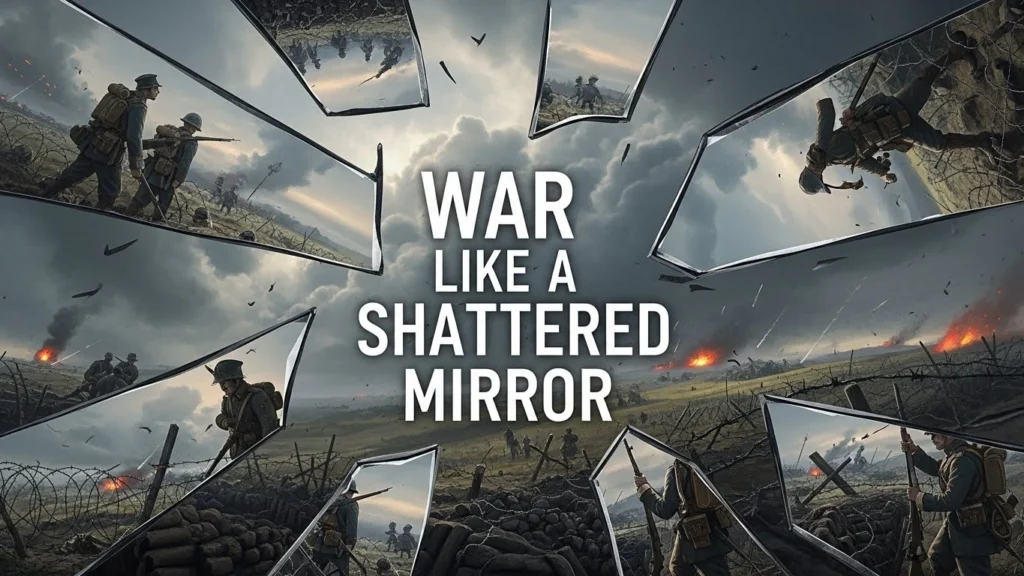
Meaning: This simile highlights how war breaks societies, families, and identities into pieces.
Tone: Reflective, emotional, sorrowful
Best Usage Context:
- Emotional essays
- Reflective war narratives
- Trauma-focused writing
Example Sentences:
- War left the nation like a shattered mirror.
- Lives were broken, scattered like glass after war.
- Nothing looked the same once war struck.
Texting Example:
- “That fight broke us like war shattering everything.”
War Like a Roaring Beast
Meaning: War is portrayed as a wild, uncontrollable creature driven by violence.
Tone: Aggressive, fierce, raw
Best Usage Context:
- Action scenes
- Epic storytelling
- Descriptions of battle
Example Sentences:
- War roared like a wild beast across the land.
- Soldiers faced war as if staring into a monster’s mouth.
- The battlefield echoed with war’s beastly growl.
Daily-Use Example:
- “The competition turned into war like a beast.”
War Like a Dark Shadow
Meaning: This simile emphasizes fear, uncertainty, and the constant presence of danger.
Tone: Serious, ominous, suspenseful
Best Usage Context:
- Political writing
- War reflections
- Symbolic language
Example Sentences:
- War followed them like a dark shadow.
- Every decision felt heavy under war’s shadow.
- Peace vanished as war crept closer.
Texting Example:
- “Stress is hanging over me like war’s shadow.”
War Like a Broken Clock
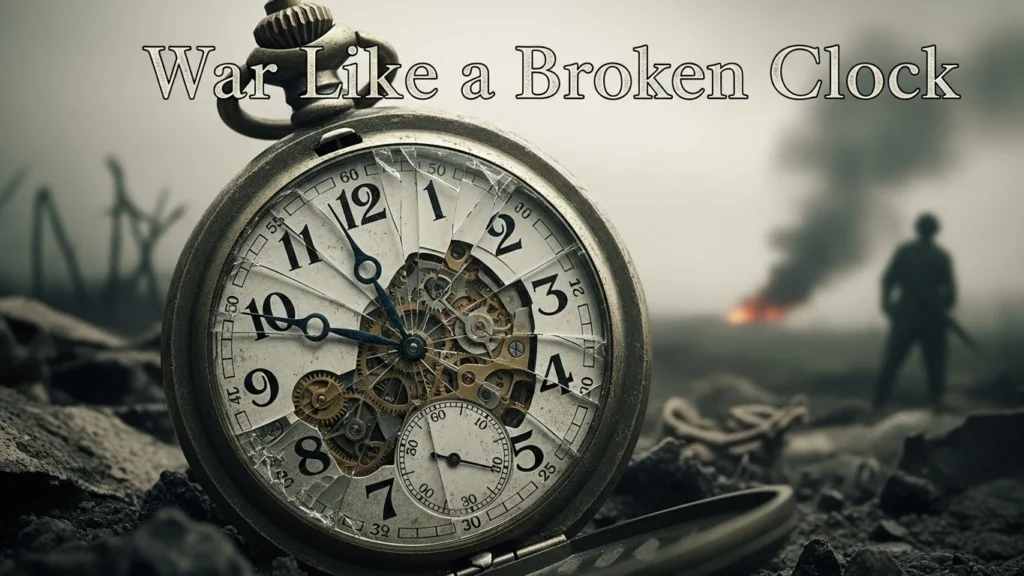
Meaning: Shows how war disrupts normal life and halts progress.
Tone: Thoughtful, symbolic
Best Usage Context:
- Philosophical writing
- Reflective essays
- Post-war analysis
Example Sentences:
- Life stopped ticking as war struck like a broken clock.
- Time lost meaning during war.
- The future paused under war’s weight.
War Like a Violent Wave
Meaning: War is shown as unstoppable and overwhelming.
Tone: Powerful, dramatic
Best Usage Context:
- Describing invasions
- Emotional narratives
Example Sentences:
- War hit the city like a violent wave.
- Villages drowned under war’s force.
- Resistance crumbled like sand.
War Like a Poisoned River
Meaning: War spreads slowly but damages everything it touches.
Tone: Serious, cautionary
Best Usage Context:
- Moral writing
- Political commentary
Example Sentences:
- War flowed like a poisoned river.
- Trust vanished as war spread.
- Communities suffered quietly.
War Like a Thunderclap
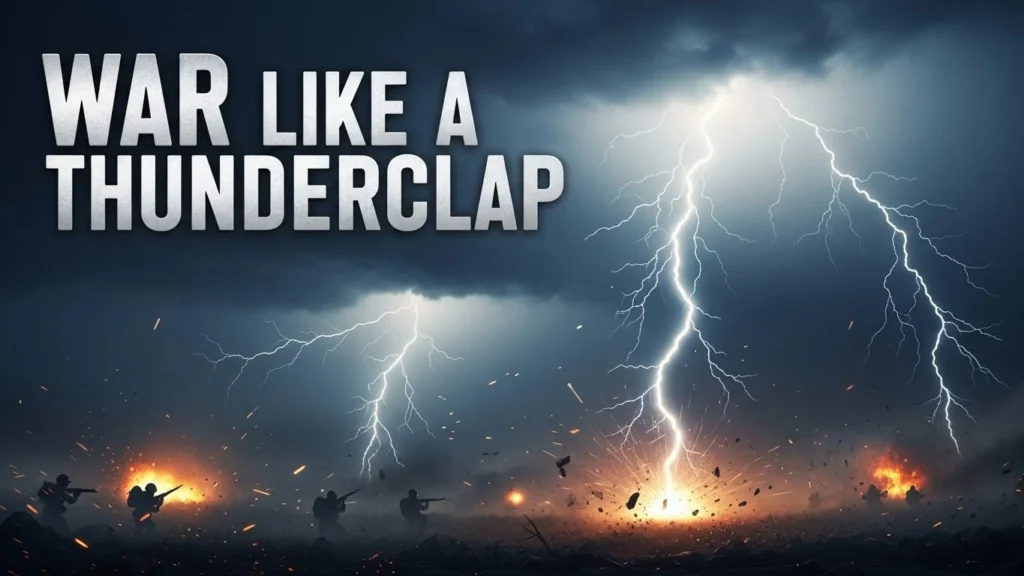
Meaning: Focuses on the suddenness and shock of war.
Tone: Sharp, dramatic
Best Usage Context:
- Describing war beginnings
- Sudden conflict scenes
Example Sentences:
- War erupted like a thunderclap.
- Peace shattered instantly.
- The world froze in shock.
War Like a Bleeding Wound
Meaning: Highlights ongoing pain and long-term damage.
Tone: Emotional, sorrowful
Best Usage Context:
- Post-war writing
- Trauma discussions
Example Sentences:
- War left the country bleeding.
- The pain never healed.
- Generations suffered.
War Like a Game of Fire
Meaning: Shows recklessness and danger in conflict decisions.
Tone: Critical, ironic
Best Usage Context:
- Political criticism
- Opinion pieces
Example Sentences:
- Leaders played war like a game of fire.
- One wrong move destroyed lives.
- The cost was real.
War Like a Screaming Siren
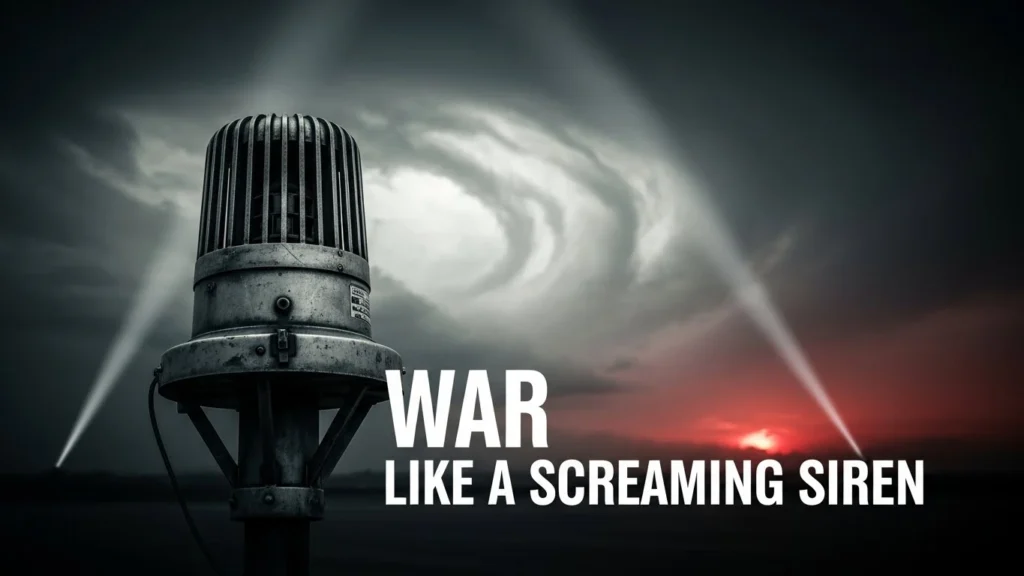
Meaning: Emphasizes fear and constant alert.
Tone: Urgent, tense
Best Usage Context:
- City warfare descriptions
Example Sentences:
- War screamed through streets.
- Sirens echoed daily.
- Fear became routine.
War Like a Burning Cage
Meaning: Shows entrapment and suffering.
Tone:, emotional
Best Usage Context:
- Prisoner narratives
- Civilian suffering
Example Sentences:
- Civilians lived in war like a burning cage.
- Escape felt impossible.
- Hope faded.
War Like Falling Dominoes
Meaning: Shows chain reactions and spreading conflict.
Tone: Analytical, thoughtful
Best Usage Context:
- Historical explanations
Example Sentences:
- One battle triggered another.
- War spread like dominoes.
- Nations collapsed.
War Like a Ruthless Teacher
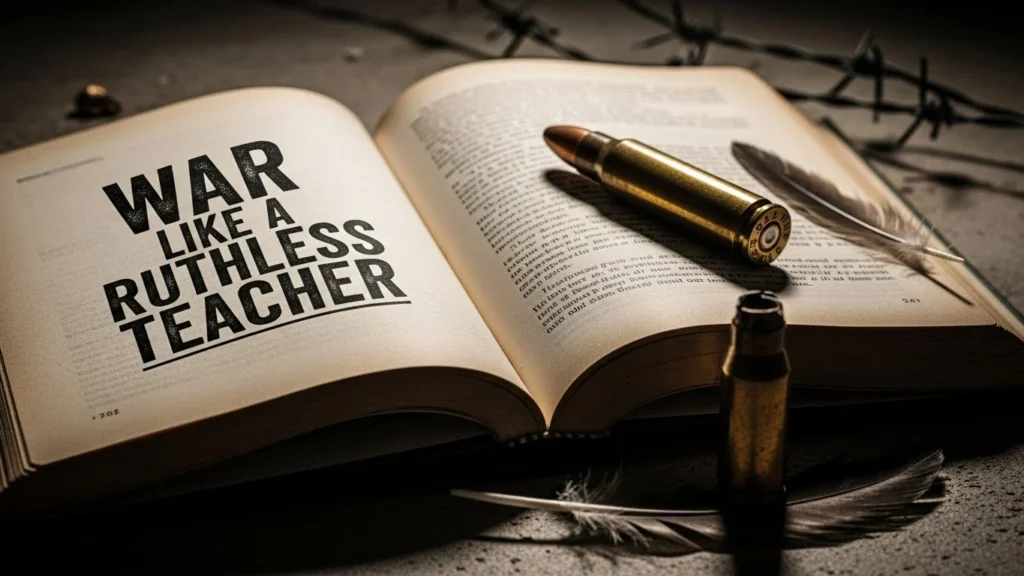
Meaning: Shows how war teaches painful lessons.
Tone: Reflective, philosophical
Best Usage Context:
- Moral essays
- War reflections
Example Sentences:
- War taught harsh lessons.
- Humanity paid the price.
- Wisdom came late.
Conclusion
Using similes for war transforms plain writing into vivid storytelling. They help readers understand not just what happened, but how it felt. Whether you’re writing an essay, story, poem, or speech, similes add emotional depth, clarity, and memorability.