

Similes are a key part of figurative language. They compare two different things using words like “as” or “like” to help readers understand ideas more clearly and emotionally. Instead of directly stating a feeling or condition, similes show it through vivid imagery.
In Daniel Keyes’ Flowers for Algernon, similes play an essential role in revealing Charlie Gordon’s mental, emotional, and psychological transformation. As Charlie’s intelligence grows and later fades, similes help readers feel his confusion, hope, pride, fear, and heartbreak. They make abstract ideas—like intelligence, isolation, and identity—deeply human.
This long-form guide explores similes in Flowers for Algernon in depth. Each simile is explained clearly, including its meaning, emotional tone, best usage context, and multiple examples. Whether you’re a student, teacher, or literature lover, these similes will help you better understand the novel and improve your own creative writing.
Like a Child Lost in a Crowd
Meaning: Extreme confusion and lack of understanding.
Tone: Innocent and vulnerable.
Best Usage: Early stages of Charlie’s intellectual development.
Examples:
- Charlie feels like a child lost in a crowd during conversations.
- He watches others speak, like a child lost in a crowd.
- His thoughts wander like a child lost in a crowd of ideas.
Like a Light Slowly Turning On
Meaning: Gradual growth in awareness and intelligence.
Tone: Hopeful and curious.
Best Usage: Charlie’s early progress after the experiment.
Examples:
- His mind opens like a light slowly turning on.
- Understanding comes like a light slowly turning on.
- New thoughts appear like a light slowly turning on inside him.
Like a Mouse Running a Maze

Meaning: Being tested or controlled by others.
Tone: Uneasy and symbolic.
Best Usage: Charlie’s relationship to Algernon and the scientists.
Examples:
- Charlie feels like a mouse running a maze.
- He realizes he’s studied like a mouse running a maze.
- Algernon runs ahead like a mouse running a maze.
Like a Door Slammed Shut
Meaning: Sudden emotional rejection or realization.
Tone: Harsh and painful.
Best Usage: Social rejection and emotional loss.
Examples:
- The laughter hits him like a door slammed shut.
- Truth arrives like a door slammed shut.
- Friendship disappears like a door slammed shut.
Like a Shadow Following Me
Meaning: Constant fear or awareness.
Tone: Dark and reflective.
Best Usage: Charlie’s growing anxiety.
Examples:
- Fear follows him like a shadow following me.
- Algernon’s decline hangs like a shadow following me.
- His past trails him like a shadow following me.
Like Glass Ready to Shatter
Meaning: Emotional fragility.
Tone: Delicate and tense.
Best Usage: Moments of vulnerability.
Examples:
- Charlie feels like glass ready to shatter.
- His confidence stands like glass ready to shatter.
- Hope trembles like glass ready to shatter.
Like a Machine With Too Many Gears

Meaning: Overloaded intelligence and mental strain.
Tone: Overwhelming and analytical.
Best Usage: Peak intelligence stage.
Examples:
- His brain spins like a machine with too many gears.
- Thoughts clash like a machine with too many gears.
- Knowledge builds like a machine with too many gears.
Like Standing Outside a Locked Room
Meaning: Exclusion and isolation.
Tone: Lonely and distant.
Best Usage: Social barriers.
Examples:
- He feels like standing outside a locked room.
- Conversations pass like standing outside a locked room.
- Love feels like standing outside a locked room.
Like a Mirror Showing Too Much
Meaning: Painful self-awareness.
Tone: Introspective.
Best Usage: Realization of past mistreatment.
Examples:
- Memory works like a mirror showing too much.
- Truth appears like a mirror showing too much.
- Intelligence reflects like a mirror showing too much.
Like a Candle Burning at Both Ends
Meaning: Rapid progress leading to burnout.
Tone: Foreboding.
Best Usage: Foreshadowing Charlie’s decline.
Examples:
- His growth burns like a candle at both ends.
- Learning consumes him like a candle at both ends.
- Genius fades like a candle at both ends.
Like a Voice Echoing in an Empty Room
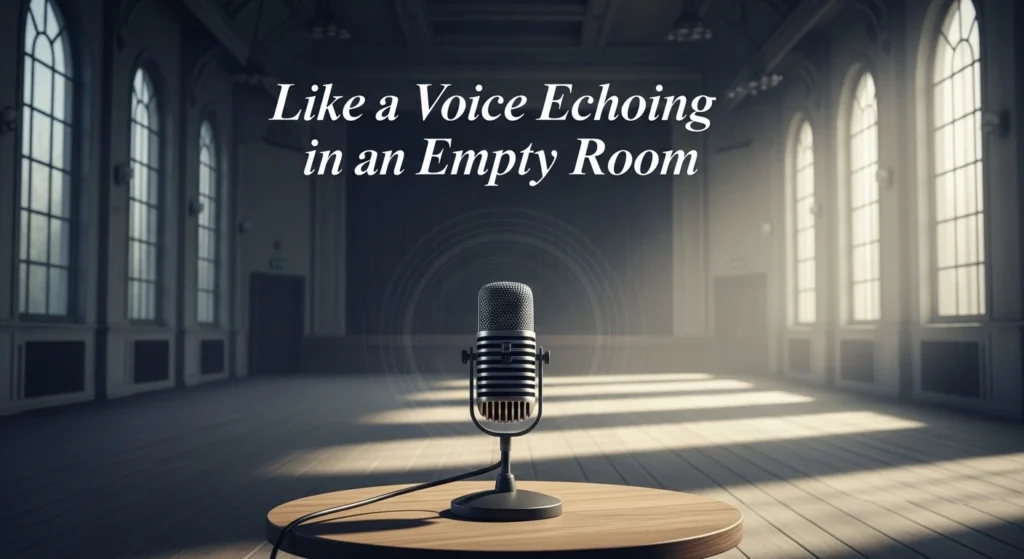
Meaning: Feeling unheard or ignored.
Tone: Isolated.
Best Usage: Emotional loneliness.
Examples:
- His words feel like a voice echoing in an empty room.
- Questions sound like a voice echoing in an empty room.
- Pain speaks like a voice echoing in an empty room.
Like a Puzzle Missing Pieces
Meaning: Incomplete understanding.
Tone: Curious yet frustrated.
Best Usage: Transition phases of intelligence.
Examples:
- His thoughts feel like a puzzle missing pieces.
- Life looks like a puzzle missing pieces.
- Memory works like a puzzle missing pieces.
Like Watching Yourself Drown
Meaning: Helpless awareness of decline.
Tone: Tragic.
Best Usage: Intellectual regression.
Examples:
- He feels like watching yourself drown.
- Decline happens like watching yourself drown.
- Loss comes like watching yourself drown.
Like a Wall Rising Between Us
Meaning: Emotional distance.
Tone: Sad and resigned.
Best Usage: Relationships.
Examples:
- Intelligence builds like a wall rising between us.
- Love fades like a wall rising between us.
- Words fail like a wall rising between us.
Like a Book Read Too Fast
Meaning: Knowledge without time to process.
Tone: Reflective.
Best Usage: Rapid learning.
Examples:
- His education feels like a book read too fast.
- Wisdom slips like a book read too fast.
- Ideas blur like a book read too fast.
Like a Stranger in My Own Life
Meaning: Loss of identity.
Tone: Existential.
Best Usage: Self-alienation.
Examples:
- He feels like a stranger in my own life.
- Intelligence makes him like a stranger in my own life.
- Memory turns him like a stranger in my own life.
Like Standing Under a Spotlight

Meaning: Sudden attention and pressure.
Tone: Uncomfortable.
Best Usage: Social recognition.
Examples:
- Fame feels like standing under a spotlight.
- Genius shines like standing under a spotlight.
- Judgment comes like standing under a spotlight.
Like a Clock Running Backward
Meaning: Mental regression.
Tone: Inevitable and sad.
Best Usage: Decline phase.
Examples:
- His mind moves like a clock running backward.
- Skills vanish like a clock running backward.
- Time feels like a clock running backward.
Like Holding Sand in My Hands
Meaning: Inability to keep intelligence.
Tone: Melancholic.
Best Usage: Loss and impermanence.
Examples:
- Knowledge slips like holding sand in my hands.
- Memory fades like holding sand in my hands.
- Genius leaves like holding sand in my hands.
Like a Friend Slipping Away
Meaning: Emotional loss tied to decline.
Tone: Tender and sad.
Best Usage: Relationship with Algernon.
Examples:
- Algernon fades like a friend slipping away.
- Intelligence leaves like a friend slipping away.
- Hope disappears like a friend slipping away.
Like Being on the Wrong Side of Glass
Meaning: Emotional separation.
Tone: Distant.
Best Usage: Social isolation.
Examples:
- He watches others like being on the wrong side of glass.
- Love feels like being on the wrong side of glass.
- Happiness looks like being on the wrong side of glass.
Like a Story With Pages Missing
Meaning: Fragmented memory.
Tone: Reflective.
Best Usage: Regression and confusion.
Examples:
- Life reads like a story with pages missing.
- Memory fades like a story with pages missing.
- Thoughts feel like a story with pages missing.
Like a Candle Flickering Out
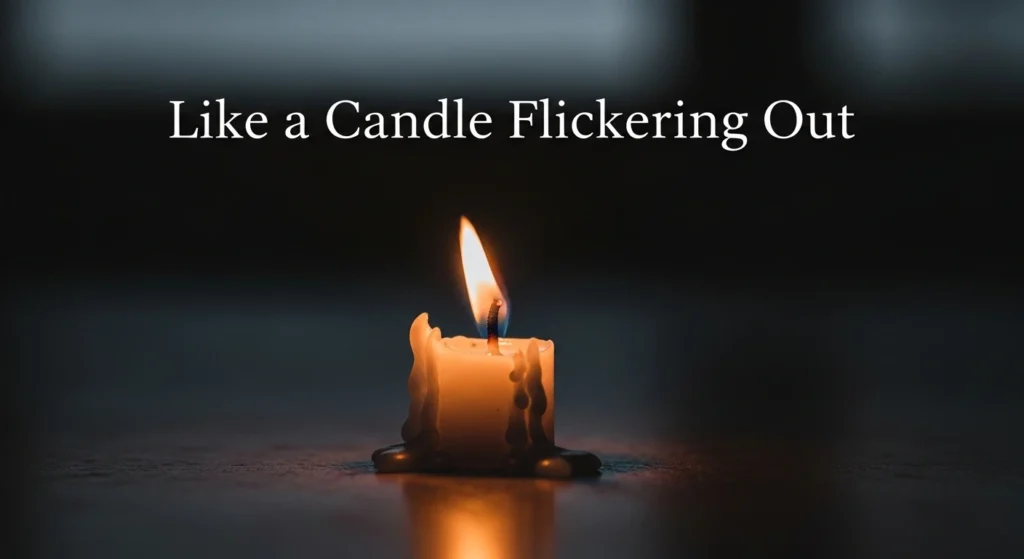
Meaning: Gradual loss of intelligence.
Tone: Poetic and tragic.
Best Usage: Ending stages.
Examples:
- His brilliance fades like a candle flickering out.
- Mind dims like a candle flickering out.
- Hope wanes like a candle flickering out.
Like Saying Goodbye in Slow Motion
Meaning: Painful, drawn-out loss.
Tone: Heartbreaking.
Best Usage: Emotional endings.
Examples:
- Decline feels like saying goodbye in slow motion.
- Life slips like saying goodbye in slow motion.
- Memory fades like saying goodbye in slow motion.
Like Flowers Blooming and Wilting
Meaning: Temporary beauty and growth.
Tone: Symbolic and gentle.
Best Usage: Core theme of the novel.
Examples:
- Intelligence grows like flowers blooming and wilting.
- Life feels like flowers blooming and wilting.
- Hope lives like flowers blooming and wilting.
Like a Lesson Learned Too Late
Meaning: Regretful realization.
Tone: Somber.
Best Usage: Reflection.
Examples:
- Truth arrives like a lesson learned too late.
- Wisdom feels like a lesson learned too late.
- Growth comes like a lesson learned too late.
Like Watching Winter Replace Spring
Meaning: Loss after growth.
Tone: Seasonal and poetic.
Best Usage: Decline.
Examples:
- Decline comes like watching winter replace spring.
- Mind cools like watching winter replace spring.
- Life shifts like watching winter replace spring.
Like a Dream Fading at Morning
Meaning: Vanishing brilliance.
Tone: Gentle sadness.
Best Usage: End of intelligence.
Examples:
- Genius fades like a dream fading at morning.
- Memory slips like a dream fading at morning.
- Hope dissolves like a dream fading at morning.
Like Returning to the Dark
Meaning: Loss of awareness.
Tone: Heavy and tragic.
Best Usage: Final stages.
Examples:
- Regression feels like returning to the dark.
- Mind sinks like returning to the dark.
- Awareness ends like returning to the dark.
Practical Texting and Daily-Use Lines Inspired by Flowers for Algernon
- Learning feels like a light slowly turning on.
- Life can be like flowers blooming and wilting.
- Growth without care burns like a candle at both ends.
FAQs
What are similes in Flowers for Algernon? They are figurative comparisons that express Charlie’s mental and emotional changes.
Why are similes important in the novel? They help readers feel Charlie’s transformation deeply.
Do similes change as Charlie changes? Yes, they grow more complex as his intelligence increases.
What is the most symbolic simile in the book? Flowers blooming and wilting best represent the novel’s theme.
Can these similes help in exams? Yes, they support literary analysis and textual understanding.
Are these similes suitable for essays? Absolutely, they strengthen interpretation and clarity.
How can readers use these similes creatively? They can inspire reflective writing and character analysis.
Conclusion
Similes in Flowers for Algernon turn intelligence into something readers can see, feel, and mourn. They capture growth, loss, and humanity with emotional precision. By understanding these comparisons, readers gain deeper insight into Charlie’s journey and learn how powerful similes can be in creative and analytical writing alike.