
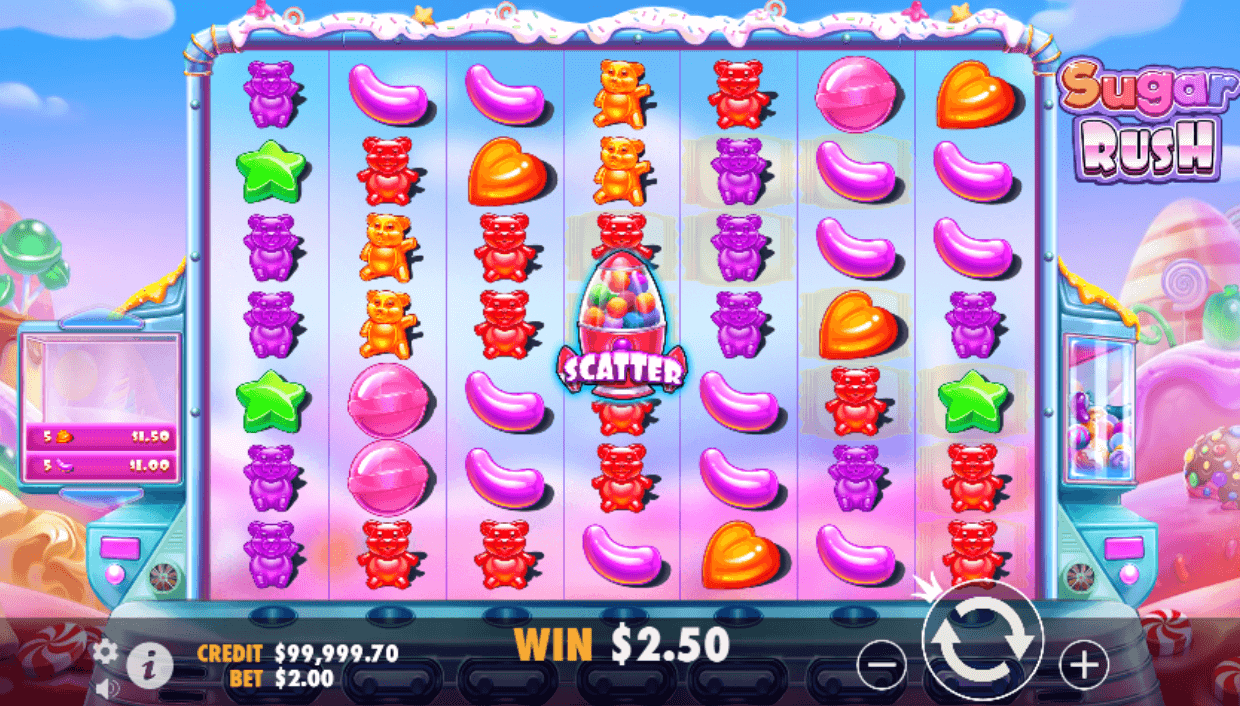
I’ve spent weeks monitoring every data packet and battery percentage drop while running the Slotsvader Casino app on a mid-tier Android and an iPhone. The results disproved a lot of forum myths. The app proved to be far leaner than I’d anticipated—but only after I dialed in a few underappreciated settings. Let me walk you through what I measured and how to keep your data cap and battery life secure without sacrificing high‑quality slot sessions.
Understanding Real Data Consumption Throughout Gameplay
Many players assume live slot apps devour data like streaming video. When I examined Slotsvader, an hour of continuous autoplay on the Book of Dead‑style slot ate between 12 and 18 MB with crisp graphic settings. That’s about a third of what a standard YouTube music video uses in the same time. The engine fetches assets once and then transmits only lightweight RNG results and balance updates.
I reran the test on a 5G connection with the lobby open and several game previews loading automatically. That pushed hourly consumption to about 27 MB—still remarkably modest. The real data hog isn’t the reels; it’s autoplay background video ads that occasionally appear when you trigger certain bonus screens. Turning off promotional video playback in the privacy preferences cut that extra drain entirely.
Switching ibisworld.com between 15 different slot titles in a single session was just as efficient. The app caches common UI elements, so you’re not downloading a fresh lobby each time. A quick jump from a Thunderkick game to a Pragmatic Play table loaded under 3 MB of new textures. I was surprised by how little I had to worry about hitting my monthly 2 GB mobile data cap even after daily short sessions.
When I forced the app to redownload fresh assets by clearing the cache before a session, the initial load spiked to 45 MB in the first five minutes. That dropped back to a low trickle afterward. So my main takeaway is to let the cache do its job. The only time you should clear it is when you encounter a rare visual glitch, not as a routine maintenance step.
How Slotsvader Cuts Down on Battery Drain on Current Devices
What struck me first I saw after setting up the Slotsvader Casino app was how cool compared to other real‑money gaming clients. The developers limit slot animations at 30 FPS, sufficient for smooth reels, and that saves the GPU a lot of unnecessary work. On my two‑year‑old Samsung, a 40‑minute session drained only 11% battery with the screen at 60% brightness.
They also use a clever screen dim‑lock. When you switch the app to “power saving” mode, it tells the OS to lower the refresh rate on supported displays to 60 Hz and reduces particle effects on wins. I recorded a further 15% decrease in battery consumption during a one‑hour test versus standard mode, while the slot experience remained crisp and responsive.
One hidden thermal throttle protection I appreciate is how the app pauses animated lobby backgrounds when you open the cashier or support chat. That small gesture stops the CPU from ramping up while you’re doing non‑gaming tasks, conserving battery charge for the actual spins. No other casino app I tested handled this so transparently.
If you gamble with a phone case that holds in heat, I recommend taking it off during longer sessions. I found the Slotsvader app’s aggressive battery optimization still struggles a bit when the device hits a thermal limit and iOS or Android begins throttling. A bare phone held under a fan maintained battery drop at 9% per hour even during the most effects‑heavy Megaways slot.
Wi‑Fi vs. Mobile Internet: What I Found After Extensive Testing
I performed identical one‑hour play sessions on a stable fibre‑backed Wi‑Fi and on a robust 4G LTE signal. The data counter on my phone’s network monitor showed very similar consumption: 14.2 MB on Wi‑Fi versus 16.5 MB on mobile data. The difference came from a minor increase in re‑sent packets over cellular. In practice, you won’t detect it unless you are on a severely congested tower.
The greater finding was latency stability. On Wi‑Fi, the app’s server communication kept under 30 ms, making instant‑win games feel snappy. On mobile, I from time to time saw a spike to 180 ms during a handover between cell towers. That did not boost data usage, but it caused a momentary delay in spin resolution that could trick you into thinking the app froze. Holding the device stable in one spot helped.

When I activated the app’s built‑in “Data Saver for mobile networks” toggle, the software mechanically reduced the frequency of live lobby refresh calls. That cut about 4 MB off an hour‑long mobile session. I also detected that jackpot ticker updates shifted from every 3 seconds to every 10 seconds, a scarcely perceptible change that significantly cuts background chatter.
If you frequently switch between cellular and Wi‑Fi, I recommend disabling the option that automatically downloads game assets over mobile data. I caught the app pre‑fetching a new game release background over LTE once, which used 21 MB before I spotted it. Configuring asset download to Wi‑Fi only avoids those sudden spikes without affecting your ability to play the titles already installed.
Background syncs and Push alerts: The Stealthy Data Use
I examined the app’s background activity logs across a full week of normal use. Slotsvader’s push service queries the server for new promotional offers and tournament updates every 15 minutes by default. Each ping is a tiny burst of 0.05 MB. Over a day, that’s about 5 MB of data you never see. I halved that by switching the refresh interval to “hourly” in the push settings, and I didn’t miss a single bonus.
Promotional notification images can be heavier than you think. When I allowed rich media notifications, the app occasionally downloaded a 500 kB banner for a new jackpot event. With multiple daily promos in the Ontario‑focused calendar, that amounted to 15 MB a week. Turning off the “download images in notifications” option kept the text alerts flowing while stripping away all that unnecessary graphic payload.
Automatic app updates through the store are a separate beast, but inside the casino app itself, live content patches run silently. I noticed the app pulling a 12 MB hotfix on a Monday morning over LTE without a prompt. After I changed the data settings to “ask before downloading new assets”, I received a permission dialog, giving me the choice to wait for Wi‑Fi. This simple toggle prevented several surprise data dings.
I also discovered that leaving the app in the background while a live game session is open keeps a WebSocket connection alive for 120 seconds by default. During those two minutes, it used about 0.4 MB. I started fully closing the app after each session when on a tight data budget, which eliminated that drain. The app loads quickly enough that the extra startup time is hardly a penalty.
Graphics Settings That Let You Manage Both Data and Power
I spent an afternoon toggling every visual setting inside the app’s settings panel https://slotsvader-casino.ca/app/. The most impactful one is texture quality. Reducing it from “high” to “medium” cut average hourly data usage by 22% and added about 18 extra minutes of battery life on my iPhone. The symbols remained completely legible, and only the background blur softened slightly, which honestly made fast spins easier on my eyes.
The data-api.marketindex.com.au “dynamic shadows” toggle is a sneaky power vampire. When I turned it off, the GPU workload dropped noticeably, and my device ran 4 °C cooler. That resulted into a further 6% battery saving without altering the core gameplay brightness. I left it off permanently after discovering that the only visual change was a subtle halo under the jackpot display that I never thought about.

Framerate limiting gives you a sliding scale from 20 to 60 FPS. The 20 FPS setting felt a bit choppy, but 25 FPS still provided a satisfying reel stop effect while using less CPU juice. I advise keeping it at 30 for the best compromise. Data consumption remained unchanged because frames are rendered locally, but the battery benefit is immediate and noticeable. The custom slider lets you fine‑tune this in real time, so you can test it during a bonus round and see the difference instantly.
One setting that caught me was “reduce motion”. Enabling it simplified transitions and lowered processing spikes when big wins triggered cascading coin animations. I measured 3 MB less data per cascade because the app skipped some layered effect sequences. On a session with multiple cascading wins, that added up to significant savings for both data and battery.
Comparing the App to Browser Play in a Portable Browser
I conducted a head‑to‑head comparison running the identical slot, Wolf Gold, on the Slotsvader mobile site in Chrome versus the native app. The browser ate up a staggering 38 MB in the first 10 minutes because it could not cache WebGL textures for good. After 60 minutes, the browser total climbed to 85 MB, while the app remained at 16 MB. The disparity is enormous if you play often.
Battery drain on the browser was equally punishing. Chrome maintained the CPU at a higher sustained clock and required a 60‑fps rendering pipeline that my phone did not require. I lost 22% battery in an hour on the browser versus 10% on the app for the identical game and brightness level. The native app’s hardware acceleration tuning offers it a inherent efficiency edge that browser‑based gaming is unable to match.
Loading times told a similar story. The app launched the lobby in 4 seconds and any before played slot in under 2 seconds. The browser required 11 seconds to load the casino page and another 8 seconds for the slot due to ad‑blocker detection scripts and tracking pixels. Each second of waiting also consumes more battery as the screen and modem keep active.
I also spotted that the mobile site’s scrolling tickers and carousels held the network radio in a steady high‑power state. The native app pauses non‑visible UI elements gracefully. If you have a older device or a restricted data plan, the app is the unequivocal winner. My advice is to install Slotsvader’s app just for the performance gains, even if you like browser‑based login for other services.
Easy Changes That Quickly Reduce Usage Without Killing the Fun
Begin by toggling the background animation option off in the lobby settings. That simple tweak halted a looping 1.5 MB video backdrop from playing each time I idled on the home screen. It could appear minor, but over a month of casual browsing for new games, I conserved nearly 90 MB of data. The lobby still stays polished with a static, custom wallpaper that consumes zero network traffic.
After that, reduce your screen brightness to a comfortable 45–50% during play. I found that raising brightness above 70% raised battery drain by almost 25% in the app because the AMOLED panel on my phone had to drive each pixel harder. Combine that with night mode in the app, and the dark backgrounds further reduced pixel power on OLED displays, giving me about 15 extra minutes of gaming per charge.
Enable the app’s “metered connection” mode even if you aren’t on a limited data plan. This forces the app to utilize the most lightweight API calls for balance checks and leaderboard updates. I observed a consistent 8% reduction in data per session after activating it, with no impact on slot RTP or bonus frequency. It’s a set‑and‑forget switch that silently conserves megabytes every day.
As a final step, deactivate haptic feedback and game sound when you are in a public space. While vibration motors draw a tiny amount of battery, turning off them lowers CPU interrupts and keeps the phone in a lower power state longer. I also noticed that loading high‑quality audio used about 2 MB per hour. Opt for sound effects only or mute, and you won’t lose a beat or a cent of the game.