

Below you’ll find 15 strong, original similes for furious, each explained, with tone notes, best-use contexts, and natural example sentences you can drop into stories, tweets, or texts. Use related phrases like similes for angry, furious similes, and similes describing fury to improve SEO and keep readers engaged.
What is a simile and why use similes for furious
A simile compares two unlike things using like or as to create an immediate image. When describing fury, a well-chosen simile turns abstract emotion into something sensory and memorable. Similes help readers feel the intensity, see the heat, and sense the danger — all in a few words.
As furious as a thunderstorm
Meaning: Sudden, loud, and overwhelming anger — full of noise and flash. Tone: Dramatic, elemental, intense. Best usage context:
- Character-driven fiction to show explosive rage.
- Descriptive nonfiction when emphasizing sudden escalation.
- Headlines or hooks for emotionally charged content.
Example sentences:
- Her temper rolled in, as furious as a thunderstorm, and everyone in the room went silent.
- He answered the message with a voice as furious as a thunderstorm, full of cracks and flashes of accusation.
- The courtroom erupted as furious as a thunderstorm when the verdict was announced.
Like a volcano ready to erupt
Meaning: Anger building under the surface, inevitable and destructive. Tone: Menacing, foreboding, slow-burning. Best usage context:
- Suspense scenes where anger simmers before breaking.
- Descriptive lines in poetry or lyrical prose.
- Warning metaphors in op-eds.
Example sentences:
- She kept smiling at the meeting, but inside she was like a volcano ready to erupt.
- His silence was heavy — a quiet presence like a volcano ready to erupt.
- Don’t provoke him today; he’s like a volcano ready to erupt after that insult.
Like a caged tiger

Meaning: Coiled, dangerous anger that could strike violently if freed. Tone: Taut, animalistic, dangerous. Best usage context:
- Dialogue showing restrained fury.
- Action scenes or edgy character descriptions.
- Informal writing that wants visceral imagery.
Example sentences:
- He paced the corridor like a caged tiger, every step a promise of sudden violence.
- Her eyes were cold and hungry, like a caged tiger waiting for the right moment.
- The team watched their boss, like a caged tiger, ready to pounce on any mistake.
As furious as a charging bull
Meaning: Direct, unstoppable anger that barrels forward. Tone: Brutal, forceful, single-minded. Best usage context:
- Sports writing or scenes of confrontation.
- Metaphors describing a person who rushes headlong into conflict.
- Short punchy lines in social posts.
Example sentences:
- He stormed into the office as furious as a charging bull, papers flying behind him.
- When she learned of the betrayal, she moved as furious as a charging bull, unstoppable.
- The debate ended when he entered as furious as a charging bull, sweeping arguments aside.
Like a wildfire racing through dry brush
Meaning: Anger that spreads quickly and consumes everything in its path. Tone: Rapid, destructive, contagious. Best usage context:
- Describing how one person’s anger infects a group.
- Environmental or social commentary analogies.
- Long-form narrative showing escalation.
Example sentences:
- His gossip sparked outrage like a wildfire racing through dry brush, and soon the whole town knew.
- The rumor spread like a wildfire, turning calm into fury.
- Once she spoke, anger spread like a wildfire racing through dry brush, leaving relationships charred.
Like a tempest at sea
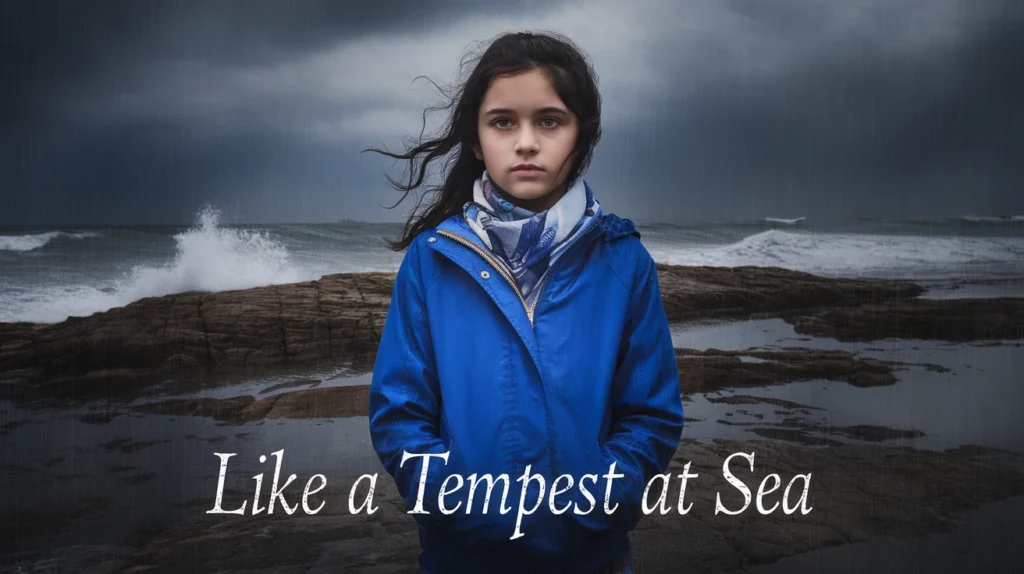
Meaning: Turbulent, chaotic fury with unpredictable surges. Tone: Moody, stormy, cinematic. Best usage context:
- Romantic or dramatic scenes with emotional turmoil.
- Descriptive essays that favor elevated language.
- Travel or sea metaphors to highlight dangerous mood swings.
Example sentences:
- His temper was like a tempest at sea, throwing one threat after another.
- Their argument felt like a tempest at sea, with words crashing like waves.
- She steered the conversation away from the storm, but it remained like a tempest at sea.
Like a boiling kettle about to whistle
Meaning: Pressure building until it becomes audible or visible — short before explosion. Tone: Humorous, relatable, brewing tension. Best usage context:
- Light fiction, humorous lines, or modern dialogue.
- Everyday writing that needs a vivid but familiar image.
- Texting examples where impatience or anger is rising.
Example sentences:
- He was like a boiling kettle about to whistle — hands trembling at the slightest provocation.
- Don’t push her; she’s like a boiling kettle about to whistle after a long day.
- You could feel his irritation, like a boiling kettle about to whistle, in every word.
Like a freight train barreling through
Meaning: Unstoppable, loud, and destructive force of anger. Tone: Mechanical, relentless, powerful. Best usage context:
- Action scenes or descriptions of forceful personalities.
- Describing arguments that crush opposition.
- Headlines emphasizing unstoppable momentum.
Example sentences:
- Once he started, his rage came like a freight train barreling through, flattening objections.
- She bulldozed the negotiation like a freight train, furious and implacable.
- The accusation hit him like a freight train, leaving no time to respond.
As furious as an unleashed hurricane

Meaning: Cataclysmic, sweeping, and utterly consuming anger. Tone: Catastrophic, overwhelming, large-scale. Best usage context:
- High-stakes scenes in fiction or memoir lines about massive emotional upheaval.
- Strong opinion pieces describing social fury.
- Poetry that needs grand, natural imagery.
Example sentences:
- Her reaction was as furious as an unleashed hurricane, leaving relationships in ruins.
- When he found out, a fury as furious as an unleashed hurricane tore through the family.
- The protest turned into as furious as an unleashed hurricane, unstoppable and forceful.
Like hornets swarming an intruder
Meaning: Sharp, stinging, collective anger that attacks swiftly. Tone: Aggressive, stinging, communal. Best usage context:
- Scenes of group outrage or social-media backlash.
- Descriptions of coordinated retaliation.
- Short-form content highlighting social reaction.
Example sentences:
- The comments section exploded like hornets swarming an intruder.
- After the policy slipped, critics descended like hornets, furious and loud.
- He felt like an intruder as colleagues swarmed him, like hornets, with accusations.
Like a rattlesnake coiled to strike
Meaning: Tense, focused anger ready to snap with a lethal bite. Tone: Sinister, precise, dangerous. Best usage context:
- Dark, tense scenes or descriptions of someone whose fury is deadly and targeted.
- Crime fiction or thriller dialogue.
- Literary sentences that want a sharp edge.
Example sentences:
- He watched the rival like a rattlesnake coiled to strike, fury cold and precise.
- Her reply was delayed but deadly, like a rattlesnake coiled to strike.
- You could hear the threat in his tone, like a rattlesnake, ready to strike.
Like thunder cracking the sky

Meaning: Sudden, resonant anger that demands attention. Tone: Boom-like, attention-grabbing, dramatic. Best usage context:
- Opening lines or climactic moments.
- Speeches or rhetorical writing that want an arresting image.
- Short-form posts for impact.
Example sentences:
- His shout split the room like thunder cracking the sky.
- The accusation fell like thunder, and everyone turned.
- She slammed the table, like thunder cracking the sky, and the meeting stopped.
Like a furnace turned to full blast
Meaning: Intense internal heat and pressure, controlled but scorching. Tone: Smoldering, relentless, industrious. Best usage context:
- Workplace metaphors or scenes of sustained anger.
- Metaphors for passions that are intense and productive as well as destructive.
- Narrative passages describing simmering rage.
Example sentences:
- Her focus was like a furnace turned to full blast, furious and unwavering.
- He worked through the insult like a furnace, turning anger into action.
- The courtroom felt like a furnace, heat rising with every testimony.
Like a storm of knives
Meaning: Sharp, cutting anger that wounds emotionally. Tone: Violent, vivid, painful. Best usage context:
- Emotional confrontation scenes where words are cutting.
- Poetic lines describing verbal attacks.
- Dark or dramatic prose.
Example sentences:
- Their argument felt like a storm of knives, each sentence a fresh wound.
- He faced the criticism like a storm of knives, stunned by the cruelty.
- She walked away, feeling like a storm of knives had passed through her chest.
Like a dam bursting

Meaning: A sudden release of pent-up anger that floods everything. Tone: Sudden, overwhelming, cleansing or destructive. Best usage context:
- Moments of catharsis when long-suppressed feelings explode.
- Memoir or personal essays about emotional breakthroughs.
- Scenes that require a rapid change in tone.
Example sentences:
- Years of silence ended like a dam bursting, his fury sweeping all away.
- The reprimand set her off, and she cried like a dam bursting, furious and free.
- When the truth came out, emotions flooded the room like a dam bursting.
Practical texting examples for furious similes
- “I’m like a boiling kettle right now — don’t text me.”
- “He replied like a thunderstorm; I’m stepping back.”
- “Saw the news. People reacted like hornets swarming — wild.”
Short tips:
- Use short similes in texts to show tone quickly.
- Pick an image that matches intensity: kettle for simmering, volcano for catastrophic.
Daily-use sentences you can borrow
- “She was as furious as a thunderstorm after the meeting.”
- “The crowd turned like a wildfire when the speaker insulted them.”
- “He answered like a freight train, impossible to stop.”
Quick guidance:
- For mild anger, choose similes like boiling kettle or caged tiger.
- For intense or group anger, use wildfire, hurricane, or hornets.
Tone and style tips when using similes for furious
- Match the simile to the situation: slow burn (volcano), sudden blast (thunder), contagious anger (wildfire).
- Avoid mixing incongruent images (e.g., cute + catastrophic). Keep the voice consistent.
- Use sensory details after the simile to deepen the image (sound, smell, movement).
writing tips to maximize dwell time
- Sprinkle related keywords naturally: similes for angry, similes for rage, furious similes, similes describing fury.
- Use short paragraphs and examples to make scanning easy.
- Add practical sections (texts, daily sentences) — readers appreciate usable content.
- Use internal headings to improve readability and encourage scrolling.
Conclusion
Similes for furious turn raw emotion into unforgettable images. Whether you want sudden impact (thunderstorm), slow destruction (volcano), or restrained menace (caged tiger), pick the comparison that fits the voice and scene. Use the examples above in dialogue, social posts, or prose to make anger feel real and immediate — and watch your writing hit harder and linger longer.