

Sleep is a universal experience, yet describing it beautifully can be a challenge. This is where similes for sleeping come in. A simile is a figure of speech that compares one thing to another using “like” or “as.” Writers, students, and everyday speakers use similes to make language more vivid, emotional, and memorable.
Sleeping like a baby
Meaning: Sleeping very peacefully and comfortably, without disturbance.
Tone: Warm, gentle, comforting.
Best usage: Casual conversation, storytelling, emotional writing.
Example sentences:
- After the long journey, he slept like a baby through the night.
- The cool weather helped me sleep like a baby.
- Once the noise stopped, the house slept like a baby.
Daily-use text example:
“Don’t worry, I crashed early and slept like a baby 😴”
Sleeping like a log
Meaning: Sleeping very deeply and heavily.
Tone: Casual, slightly humorous.
Best usage: Informal writing, conversations, blogs.
Example sentences:
- I was so tired that I slept like a log.
- He didn’t hear the alarm because he was sleeping like a log.
- After the hike, everyone slept like a log.
Texting idea:
“Sorry I missed your call—I was sleeping like a log!”
Sleeping like the dead
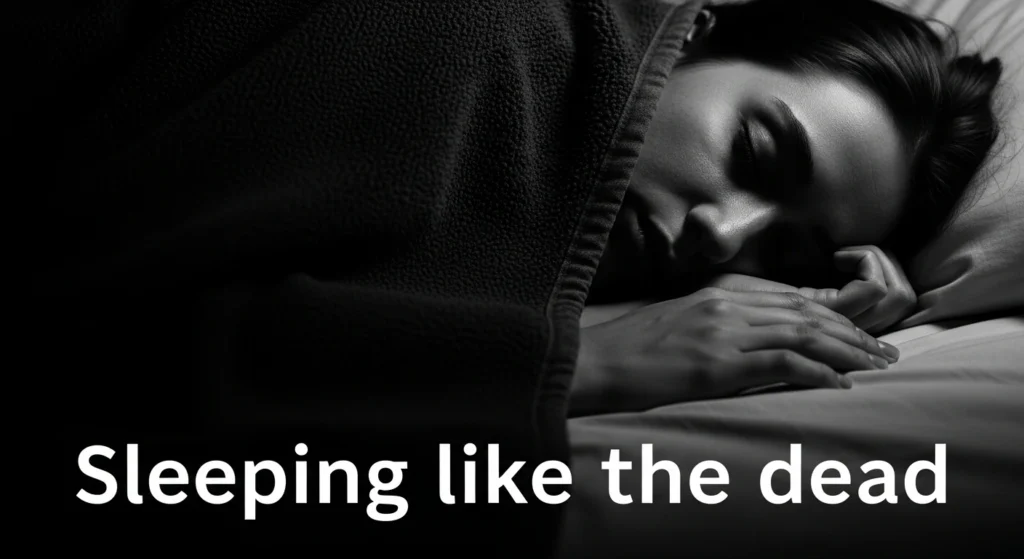
Meaning: Sleeping extremely deeply, almost impossible to wake.
Tone: Dramatic but common in spoken English.
Best usage: Storytelling, expressive descriptions.
Example sentences:
- She was sleeping like the dead after her shift.
- The storm couldn’t wake him; he slept like the dead.
- I fell asleep instantly and slept like the dead.
Sleeping as peaceful as a dove
Meaning: Sleeping calmly, with a sense of purity and peace.
Tone: Poetic, soft.
Best usage: Creative writing, emotional narratives.
Example sentences:
- The child slept as peaceful as a dove.
- The village rested, sleeping as peaceful as a dove.
- She looked serene, sleeping as peaceful as a dove.
Sleeping like a rock
Meaning: Sleeping very deeply and firmly.
Tone: Casual, expressive.
Best usage: Daily speech, friendly writing.
Example sentences:
- I was out cold, sleeping like a rock.
- He sleeps like a rock once his head hits the pillow.
- After dinner, she slept like a rock.
Sleeping like a cat in the sun
Meaning: Sleeping comfortably and contentedly.
Tone: Warm, visual, relaxed.
Best usage: Descriptive and lifestyle writing.
Example sentences:
- He lay on the couch, sleeping like a cat in the sun.
- She spent the afternoon sleeping like a cat in the sun.
- The quiet room had him sleeping like a cat in the sun.
Sleeping as still as a stone
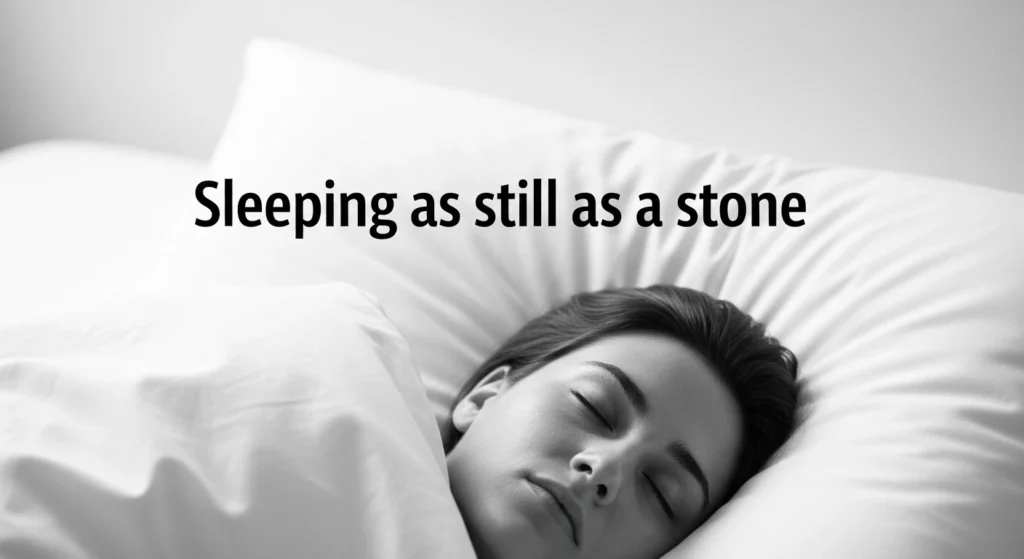
Meaning: Sleeping without movement.
Tone: Neutral, descriptive.
Best usage: Observational writing.
Example sentences:
- The baby was sleeping as still as a stone.
- He lay sleeping as still as a stone all night.
- The house was silent, everyone sleeping as still as a stone.
Sleeping like a cloud drifting
Meaning: Sleeping lightly and peacefully.
Tone: Poetic, dreamy.
Best usage: Creative writing, storytelling.
Example sentences:
- She slept like a cloud drifting across the sky.
- His thoughts faded as he slept like a cloud drifting.
- The soft music helped her sleep like a cloud drifting.
Sleeping like a hibernating bear
Meaning: Sleeping for a long time, deeply.
Tone: Humorous, vivid.
Best usage: Blogs, casual storytelling.
Example sentences:
- During winter break, I slept like a hibernating bear.
- He disappears on weekends, sleeping like a hibernating bear.
- After exams, she slept like a hibernating bear.
Sleeping as quiet as the night
Meaning: Sleeping silently and calmly.
Tone: Peaceful, reflective.
Best usage: Descriptive writing.
Example sentences:
- The house was calm, sleeping as quiet as the night.
- He lay sleeping as quiet as the night.
- The village rested, sleeping as quiet as the night.
Sleeping like a feather on water

Meaning: Sleeping lightly but peacefully.
Tone: Poetic, soft imagery.
Best usage: Creative and expressive writing.
Example sentences:
- She slept like a feather on water.
- His breathing slowed, sleeping like a feather on water.
- The calm helped him sleep like a feather on water.
Sleeping like a tired traveler
Meaning: Sleeping deeply after exhaustion.
Tone: Relatable, human.
Best usage: Narratives and real-life descriptions.
Example sentences:
- After work, I slept like a tired traveler.
- She dropped onto the bed, sleeping like a tired traveler.
- He slept like a tired traveler after the long day.
Sleeping as calm as a lake at dawn
Meaning: Sleeping with total peace and stillness.
Tone: Poetic, soothing.
Best usage: Literary and emotional writing.
Example sentences:
- Her face looked calm, sleeping as calm as a lake at dawn.
- The town rested, sleeping as calm as a lake at dawn.
- He slept as calm as a lake at dawn.
Sleeping like a candle after it’s blown out
Meaning: Falling asleep instantly.
Tone: Creative, expressive.
Best usage: Casual storytelling.
Example sentences:
- He slept like a candle after it’s blown out.
- Once the lights were off, she slept like a candle after it’s blown out.
- I sat down and slept like a candle after it’s blown out.
Sleeping wrapped in dreams like a blanket

Meaning: Sleeping deeply with vivid dreams.
Tone: Emotional, imaginative.
Best usage: Creative writing, poetry-inspired prose.
Example sentences:
- She slept wrapped in dreams like a blanket.
- The night held him, sleeping wrapped in dreams like a blanket.
- He smiled, sleeping wrapped in dreams like a blanket.
Quick Daily-Use Sleep Similes
- “I’m so tired—I’ll sleep like a log tonight.”
- “Don’t call late, I’ll be sleeping like the dead.”
- “Finally some rest… sleeping like a baby 😌”
Conclusion
Using similes for sleeping adds depth, emotion, and clarity to your writing. Whether you’re describing exhaustion, peace, comfort, or calm, the right simile can instantly paint a picture in the reader’s mind. From casual conversations to creative storytelling, these figurative expressions make language more engaging and memorable. By mastering similes, you don’t just describe sleep—you bring it to life.