
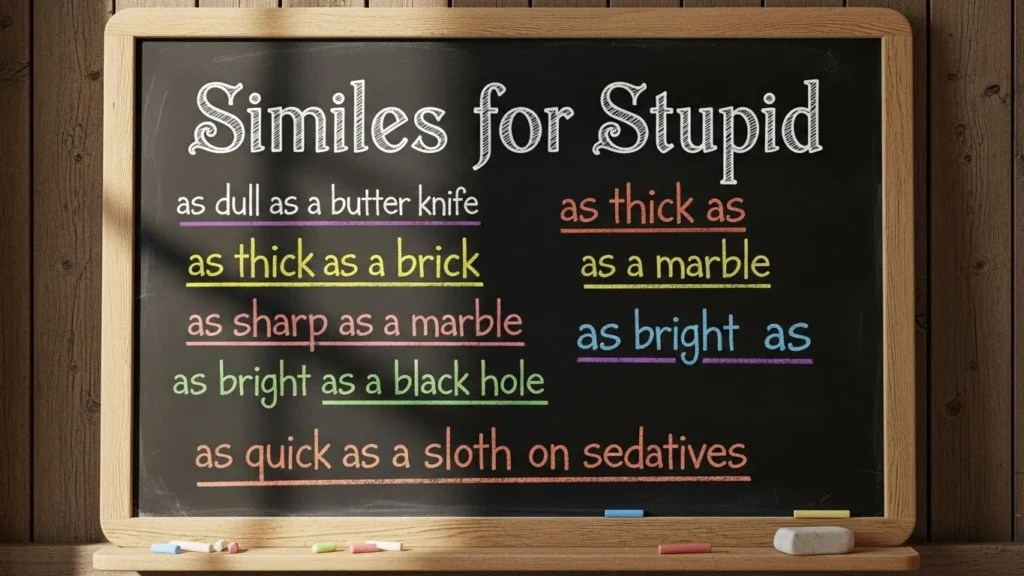
Similes are a powerful part of figurative language. They compare one thing to another using words like “as” or “like” to make ideas clearer, funnier, or more dramatic. Writers, students, and everyday speakers use similes to explain emotions, behaviors, and personalities in a vivid way.
When it comes to describing foolish or silly behavior, similes for stupid help you express the idea creatively without sounding flat or repetitive. Instead of directly calling someone stupid, a simile adds color, humor, or exaggeration—depending on the tone you want.
As Dumb as a Rock
Meaning: This simile suggests a complete lack of thinking or awareness.
Tone: Harsh, blunt, and insulting.
Best Usage Context: Used in informal speech or strong criticism, often when someone makes an obvious mistake.
Example Sentences:
- He forgot his own phone number—dumb as a rock.
- That decision was as dumb as a rock rolling uphill.
- Anyone who believes that rumor is dumb as a rock.
Daily-Use / Texting Example:
- Bro, that idea was dumb as a rock 😑
As Stupid as a Doornail
Meaning: Describes someone who shows no common sense.
Tone: Old-fashioned, humorous insult.
Best Usage Context: Casual conversation, storytelling, or light sarcasm.
Example Sentences:
- He stood there confused, as stupid as a doornail.
- The character in the story acts as stupid as a doornail.
- That move made him look stupid as a doornail.
Texting Example:
- Why would you do that? That’s stupid as a doornail.
Like a Chicken Without a Head
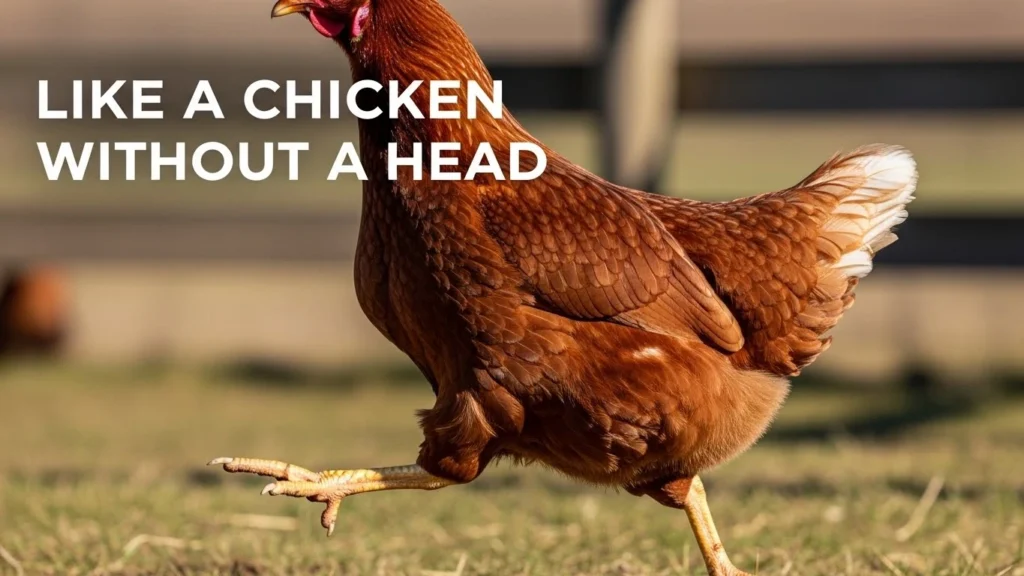
Meaning: Refers to acting foolishly, chaotically, or without thinking.
Tone: Descriptive, humorous.
Best Usage Context: Daily life, workplace situations, or funny observations.
Example Sentences:
- He ran around like a chicken without a head.
- The team panicked like chickens without heads.
- She was thinking like a chicken without a head.
Daily Example:
- Everyone before exams runs like a chicken without a head.
As Thick as Two Short Planks
Meaning: Suggests very low intelligence or slow understanding.
Tone: British-style humor, sarcastic.
Best Usage Context: Creative writing or casual humor.
Example Sentences:
- That guy is as thick as two short planks.
- His answers made him sound thick as two short planks.
- The villain is written as thick as two short planks.
Like Talking to a Brick Wall
Meaning: Implies someone cannot understand even simple explanations.
Tone: Frustrated but common.
Best Usage Context: Arguments, teaching moments, or complaints.
Example Sentences:
- Explaining it to him is like talking to a brick wall.
- I tried reasoning, but it was like a brick wall.
- Arguing with her felt like talking to a brick wall.
Texting Example:
- This convo feels like talking to a brick wall.
As Smart as a Bag of Rocks
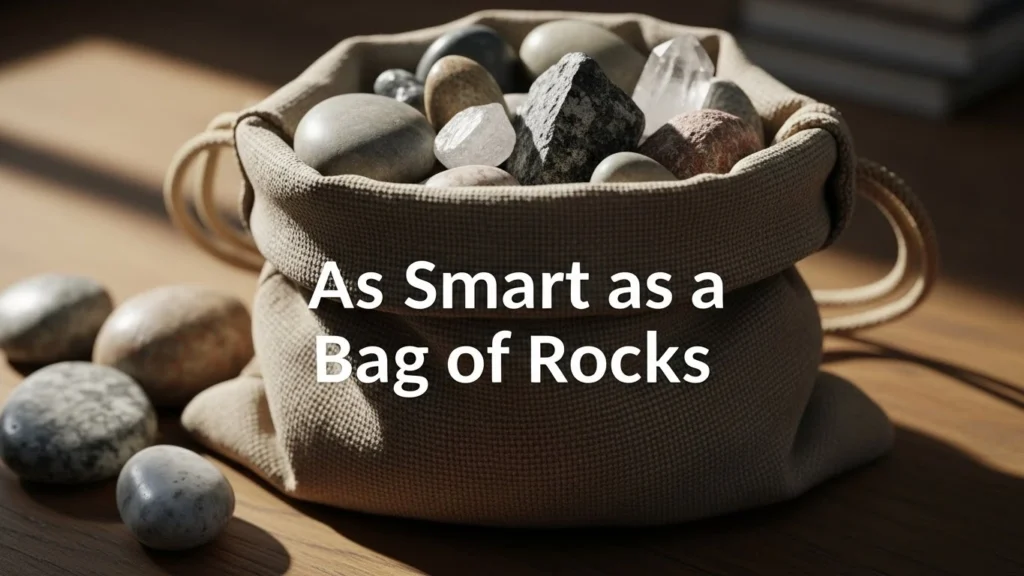
Meaning: A sarcastic way to say someone is not smart at all.
Tone: Mocking, sarcastic.
Best Usage Context: Jokes, humor writing, informal criticism.
Example Sentences:
- He thinks he’s clever, but he’s smart as a bag of rocks.
- That plan was smart as a bag of rocks.
- The character is funny but smart as a bag of rocks.
Like a Light Bulb That Never Turns On
Meaning: Suggests someone never understands anything.
Tone: Funny, light insult.
Best Usage Context: Storytelling, teasing among friends.
Example Sentences:
- His brain is like a light bulb that never turns on.
- She waited, but the light bulb never turned on.
- The joke flew over him like the bulb never lit.
As Clueless as a Lost Tourist
Meaning: Describes complete confusion or lack of understanding.
Tone: Gentle, humorous.
Best Usage Context: Everyday conversations, mild teasing.
Example Sentences:
- He looked as clueless as a lost tourist.
- I felt clueless like a lost tourist in math class.
- She wandered around clueless as a lost tourist.
Like a Brain on Vacation

Meaning: Implies temporary stupidity or absent-minded behavior.
Tone: Playful, lighthearted.
Best Usage Context: Daily mistakes, friendly jokes.
Example Sentences:
- I forgot my keys—my brain is on vacation.
- His brain went on vacation during the test.
- Everyone’s brain seems on vacation today.
Texting Example:
- Sorry! Brain on vacation today 😅
As Sharp as a Marble
Meaning: Sarcastically suggests dull thinking.
Tone: Humorous sarcasm.
Best Usage Context: Creative writing, casual jokes.
Example Sentences:
- He’s as sharp as a marble.
- That response was sharp as a marble.
- The narrator mocks him as sharp as a marble.
Like a Computer Without Internet
Meaning: Shows inability to process information properly.
Tone: Modern, relatable humor.
Best Usage Context: Digital-age conversations, texting.
Example Sentences:
- Without instructions, he’s like a computer without internet.
- I felt like a computer without internet during the exam.
- She froze like a computer without internet.
As Empty as a Hollow Drum
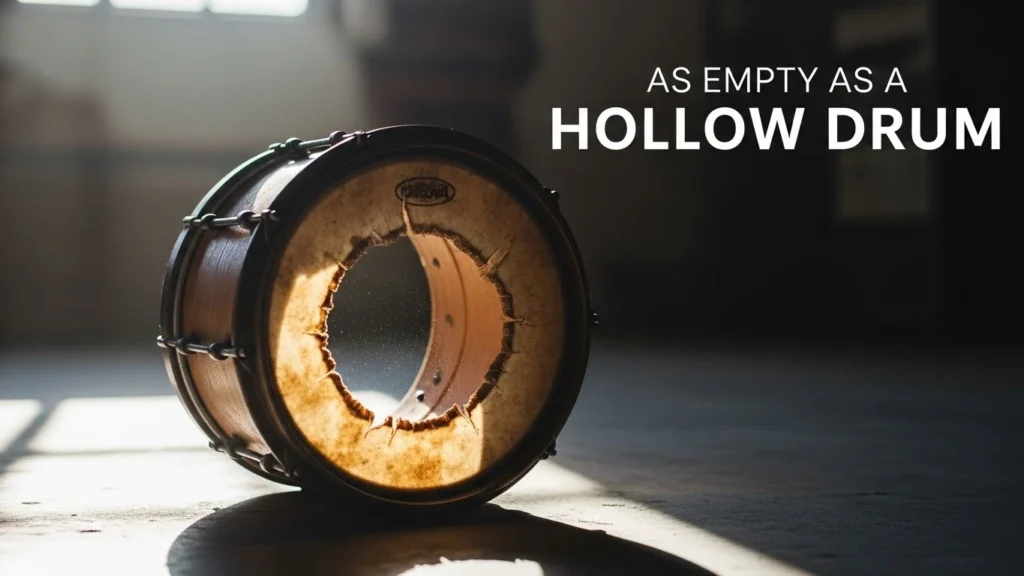
Meaning: Suggests no intelligence behind the noise.
Tone: Metaphorical, slightly poetic.
Best Usage Context: Literary writing or commentary.
Example Sentences:
- He talks loud but is empty as a hollow drum.
- The speech sounded empty as a hollow drum.
- The character is loud yet hollow as a drum.
Like a Puzzle Missing Pieces
Meaning: Describes incomplete thinking or poor reasoning.
Tone: Neutral, descriptive.
Best Usage Context: Soft criticism, teaching moments.
Example Sentences:
- His logic is like a puzzle missing pieces.
- That answer felt like a puzzle missing pieces.
- Her explanation was missing pieces.
As Confused as a Fish on Land
Meaning: Shows total lack of understanding in a situation.
Tone: Funny, visual.
Best Usage Context: Storytelling, humor.
Example Sentences:
- He looked confused as a fish on land.
- I felt like a fish on land in that meeting.
- The newbie was confused like a fish on land.
Like a Book Never Opened
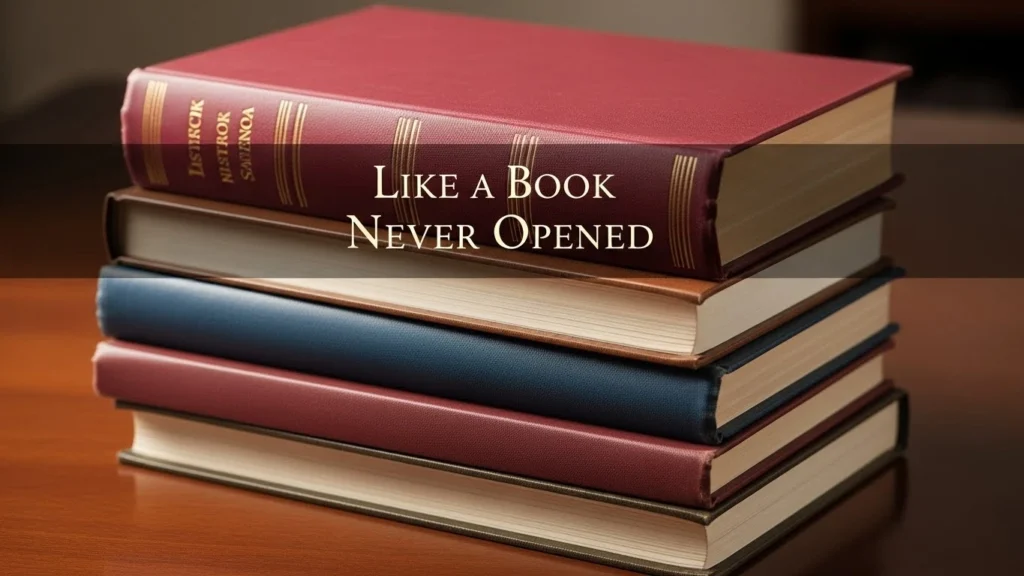
Meaning: Suggests unused intelligence or ignorance.
Tone: Reflective, slightly poetic.
Best Usage Context: Creative writing, character description.
Example Sentences:
- His mind was like a book never opened.
- Talent wasted, like a book never opened.
- The metaphor fits the quiet character.
Conclusion:
Using similes for stupid allows you to express foolishness, confusion, or lack of intelligence in a creative, engaging way. Instead of blunt words, similes add imagery, humor, and emotional depth to your writing.